Sealcoating Driveway: Benefits, Process, and Long-Term Value
An asphalt driveway is exposed to sunlight, rain, vehicle traffic, oil, chemicals, and everyday wear throughout the year. Without regular maintenance, these factors can gradually weaken the pavement surface, leading to fading, cracking, potholes, and more extensive deterioration. Driveway sealcoating is one preventative maintenance option that can help protect asphalt and maintain its appearance.
Sealcoating applies a protective coating over an existing asphalt surface. The purpose is not simply to give the driveway a darker, cleaner appearance. A properly maintained and sealcoated driveway can have better protection against moisture, ultraviolet exposure, chemicals, and routine wear. For homeowners, this can make sealcoating a practical part of a broader asphalt driveway maintenance plan.
What Is Driveway Sealcoating?
Driveway sealcoating is the application of a protective coating over an existing asphalt pavement surface. The coating creates a barrier between the asphalt and several external elements that can contribute to deterioration. These include water, sunlight, petroleum-based substances, and general environmental exposure.
The primary purpose of sealcoating is preservation. It is designed for asphalt that is generally suitable for continued service and does not have severe structural problems requiring a more extensive solution. Sealcoating is different from paving or resurfacing because it does not create a new asphalt pavement layer. Resurfacing adds asphalt over an existing surface, while sealcoating provides a protective treatment over the existing pavement.
If you are looking for professional driveway sealcoating near me, you can learn more about the service and what to expect here.
What Does Sealcoating Do for an Asphalt Driveway?
Sealcoating helps create a protective barrier over asphalt, which can reduce exposure to damaging elements. This is particularly important because deterioration often begins at the surface and can become more difficult and expensive to address when maintenance is delayed.
Water is one of the major concerns for asphalt pavement. When moisture enters cracks and other openings, it can reach underlying layers and contribute to pavement deterioration. Sunlight can also affect the asphalt binder over time, making the surface more susceptible to brittleness and cracking. Oil, gasoline, and other chemicals can further contribute to surface degradation.
A sealcoating driveway can therefore provide several benefits:
- Helps protect against ultraviolet exposure
- Helps reduce moisture penetration
- Provides protection from certain chemicals and petroleum products
- Helps slow surface deterioration
- Restores a more uniform black appearance
- Supports a regular asphalt maintenance program
- Can help preserve the useful life of properly maintained pavement
What Are the Benefits of Sealcoating a Driveway?
Sealcoating can provide both functional and aesthetic benefits when applied to asphalt that is in suitable condition. Its value comes primarily from preventative maintenance rather than from correcting major pavement failures.
Helps Protect Against Weather and Sun Damage
Asphalt is continuously exposed to the elements. Sunlight and ultraviolet radiation can contribute to oxidation of the asphalt binder. As the binder changes over time, the pavement can become more brittle and increasingly vulnerable to surface cracking.
Weather exposure can compound the problem. Rain and moisture can enter existing cracks and affect the pavement structure. A protective sealcoat helps limit direct exposure and supports the preservation of the asphalt surface.
For homeowners, this makes sealcoating an important consideration when developing long-term driveway protection tips. Regular maintenance can be more practical than waiting until visible deterioration becomes extensive.
Helps Reduce Moisture-Related Damage
Moisture can become particularly problematic when asphalt already contains cracks, openings, or damaged areas. Water can travel through these openings and contribute to weakening below the surface.
This is why sealcoating should not be viewed as a substitute for asphalt repair. Existing cracks and damaged areas should be evaluated and addressed as part of proper preparation. Sealing over untreated pavement problems does not eliminate the underlying issue.
A professional assessment can determine whether crack sealing, patching, resurfacing, or sealcoating is the appropriate next step.
Improves Driveway Appearance
A well-maintained driveway contributes to the overall appearance of a property. Asphalt naturally becomes lighter and more weathered as it ages. Sealcoating can provide a fresh, dark, uniform appearance that makes the pavement look better maintained.
Appearance is not the only consideration, but it is an important secondary benefit. A clean and consistent driveway can complement landscaping, exterior finishes, and other property improvements.
Can Reduce Long-Term Maintenance Costs
Preventative maintenance is generally intended to address pavement before problems become extensive. By protecting suitable asphalt and addressing minor defects early, homeowners may be able to delay more substantial pavement work.
The cost of major asphalt repairs or replacement depends on factors such as pavement condition, area size, damage severity, preparation requirements, and the selected solution. Maintaining asphalt before extensive deterioration occurs can therefore support better long-term value.
When Should You Sealcoat a Driveway?
The right time to sealcoat depends on the condition and age of the asphalt, previous maintenance, traffic, and local weather conditions. Newly installed asphalt also needs sufficient time to cure before sealcoating.
Weather conditions are important because the coating needs appropriate conditions for application, drying, and curing. Excessive moisture or unsuitable temperatures can interfere with the process.
For homeowners in the Raleigh area, scheduling should also account for seasonal weather patterns. Rather than relying on a fixed date, it is better to evaluate the pavement condition and confirm that the forecast provides appropriate application conditions.
How Does the Driveway Sealcoating Process Work?
A professional driveway sealing process involves more than simply applying coating to the pavement. Proper inspection and preparation are essential to achieving an even and durable result.
Step 1: Inspect the Asphalt
The first step is evaluating the existing pavement. This includes looking for cracks, potholes, oil spots, surface deterioration, and drainage concerns.
The inspection helps determine whether sealcoating is appropriate or whether the driveway requires repairs or another type of pavement treatment first. Proper evaluation prevents sealcoating from being used where more extensive work is necessary.
Step 2: Clean and Prepare the Surface
The driveway needs to be clean before sealcoating. Dirt, loose debris, dust, and contaminants can interfere with the bond between the asphalt and protective coating.
Professional preparation may include cleaning the surface and power-blowing dust and debris away. Oil spots also need attention because contaminants can affect coating adhesion.
Step 3: Repair Cracks and Damaged Areas
Existing cracks should be addressed before sealcoating. Depending on the condition, preparation can include crack sealing or appropriate patching.
This step is essential because sealcoating is a preventative treatment, not a replacement for structural asphalt repair. If a driveway has widespread cracking, potholes, uneven areas, or deeper pavement problems, the appropriate solution may involve repair, resurfacing, or replacement instead.
Step 4: Apply the Sealcoat
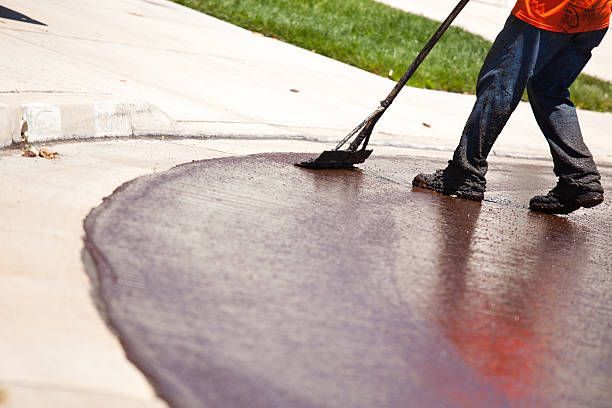
Once the surface has been properly prepared, the sealcoat can be applied across the asphalt. Consistent application helps create uniform coverage and contributes to the finished appearance.
Application technique matters because inadequate preparation or inconsistent coverage can affect the performance and appearance of the finished surface.
Step 5: Allow Proper Drying and Curing
After application, the driveway needs time to dry and cure before normal traffic resumes. The required time can vary with weather, temperature, humidity, and site conditions.
The service information provided by Tier One Asphalt & Sealcoating indicates that many driveways and parking lots are ready within approximately 24 to 48 hours, while its broader guidance notes that sealcoated areas may require 24 to 72 hours depending on weather. Homeowners should follow the contractor's specific instructions for their project.
How Often Should You Sealcoat an Asphalt Driveway?
There is no single schedule that applies to every driveway. Pavement condition, traffic, weather exposure, previous sealcoating, and the quality of maintenance all influence the appropriate interval.
As a general maintenance guideline, regular sealcoating may be considered every two to three years when the pavement is suitable and conditions support another application.
Instead of relying only on a calendar, homeowners should watch for changes in the pavement. A faded appearance, increasing surface dryness, and signs of general weathering can indicate that the driveway needs an assessment.
A professional can also determine whether the surface is still a good candidate for sealcoating or whether repairs should be completed first.
Sealcoating vs. Repairing a Damaged Driveway
Sealcoating and asphalt repair serve different purposes. Sealcoating is intended to protect and maintain an existing asphalt surface, while repairs address specific pavement defects.
Minor cracks may require crack sealing, while potholes and failed sections may require patching. If damage is widespread or structural, resurfacing or replacement may provide a more appropriate long-term solution.
The distinction is important because applying sealcoat over significant pavement failure does not correct the underlying problem. A proper evaluation should consider both the visible surface and the condition of the pavement beneath it.
How to Protect Your Driveway After Sealcoating
Proper maintenance after sealcoating can help preserve the results. Homeowners should follow the recommended curing period before allowing regular vehicle traffic.
Spills should also be addressed promptly. Oil, gasoline, and other petroleum-based substances can contribute to asphalt deterioration, so avoiding prolonged exposure is an important part of driveway maintenance.
Other useful practices include:
- Monitor cracks and have them addressed before they expand.
- Keep drainage areas clear so water can move away from the pavement.
- Avoid unnecessary heavy loads on residential pavement.
- Keep the driveway reasonably clean.
- Schedule periodic pavement inspections.
- Follow a consistent maintenance plan rather than waiting for severe damage.
For homeowners interested in learning more about maintenance timing, read this short guide on how often to sealcoat a driveway in Raleigh.
Is Driveway Sealcoating Worth the Investment?
For an asphalt driveway that is in suitable condition, sealcoating can be a valuable preventative maintenance investment. Its benefits extend beyond the improved appearance of freshly treated pavement.
The protective barrier can help limit exposure to sunlight, moisture, chemicals, and everyday wear. Maintaining the surface can also help homeowners address pavement concerns before they develop into more extensive deterioration.
The return on investment should therefore be considered in terms of pavement preservation, maintenance planning, appearance, and the potential to delay more substantial asphalt work. Sealcoating cannot prevent every form of pavement failure, but it can be an important part of a comprehensive asphalt driveway maintenance strategy.
When Should You Call a Professional for Driveway Sealcoating?
Professional assistance is particularly useful when you are unsure whether your driveway needs sealcoating, repair, resurfacing, or replacement. Visible cracks, potholes, drainage concerns, extensive fading, uneven areas, and recurring pavement problems are all reasons to have the surface evaluated.
Professional preparation is also important. Cleaning, crack sealing, identifying oil contamination, and evaluating drainage can influence how well the sealcoating performs.
Choosing an experienced local contractor also gives homeowners an opportunity to receive recommendations based on the actual pavement condition rather than selecting a service based only on appearance.
For homeowners researching raleigh paving services and asphalt maintenance options, visit Tier One Asphalt & Sealcoating to explore available residential and commercial asphalt services. The company provides asphalt paving, repair, sealcoating, and line striping services in the Raleigh area.
Conclusion
A sealcoating driveway can provide important protection while supporting the long-term maintenance of asphalt pavement. By helping shield suitable asphalt from moisture, ultraviolet exposure, chemicals, and everyday wear, sealcoating can contribute to a longer-lasting and better-looking driveway.
The most important consideration is the condition of the pavement before treatment. Proper inspection, cleaning, crack sealing, application, and curing all contribute to a successful sealcoating project. Homeowners should also continue monitoring their driveway after treatment and address developing problems before they become more extensive.
If your driveway needs an evaluation or you want to discuss the right asphalt maintenance solution, you can
contact a local paving professional for more information and a quote.
Frequently Asked Questions About Driveway
What does sealcoating do to a driveway?
Sealcoating applies a protective layer over existing asphalt. It helps reduce exposure to sunlight, moisture, chemicals, and everyday wear while also giving the driveway a more uniform appearance. It is intended as a preventative maintenance treatment rather than a solution for major structural damage.
How long does driveway sealcoating last?
The service interval depends on pavement condition, weather exposure, traffic, previous applications, and maintenance. A common maintenance guideline is approximately every two to three years, although the actual timing should be based on the condition of the driveway.
How soon can I drive on a newly sealcoated driveway?
Drying and curing time varies according to weather and site conditions. The information provided by the contractor indicates that many driveways can be ready within 24 to 48 hours, while some conditions may require longer. Homeowners should follow the specific curing instructions provided for their driveway.
Can sealcoating fix cracks and potholes?
No. Sealcoating is not a replacement for asphalt repair. Cracks and damaged areas should generally be evaluated and addressed during preparation. Larger potholes, widespread cracking, or structural problems may require repair, resurfacing, or replacement.
Is sealcoating worth it for an older asphalt driveway?
It can be worthwhile if the existing asphalt remains structurally suitable for sealcoating. However, an older driveway with extensive deterioration may need repairs or a more comprehensive pavement solution first. A professional assessment can help determine the most appropriate option.
You might also like