Asphalt Crack Filler: Types, Uses, and When to Apply
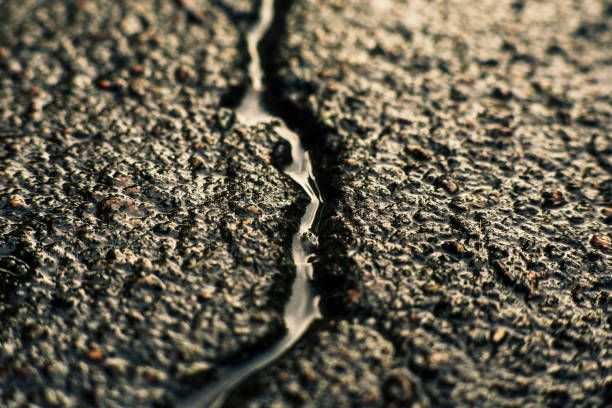
Asphalt surfaces are constantly exposed to environmental and structural stress. Temperature changes cause expansion and contraction, heavy traffic adds pressure, and oxidation gradually weakens the binding materials that hold the surface together. Over time, these factors lead to visible cracks that can quickly worsen if left untreated. Even small cracks allow water to penetrate beneath the surface, accelerating damage and increasing the risk of potholes and structural failure.
Early crack treatment plays a critical role in preventing these issues from escalating. Addressing cracks at the right time helps preserve the integrity of the pavement and avoids costly repairs later. Property owners who take a proactive approach to maintenance can significantly extend the usable life of their asphalt surfaces.
Crack filling is one of the most effective and accessible preventive maintenance solutions available. It provides a barrier against moisture intrusion and stabilizes the pavement before major damage occurs. For those looking to maintain long-lasting surfaces, understanding the right materials and application methods is essential. You can also explore professional asphalt repair solutions to ensure long-term performance and durability.
What Is Asphalt Crack Filler and Why It Matters
Before exploring different types of crack fillers, it is important to understand their role in asphalt maintenance. Crack fillers are specialized materials designed to seal openings in asphalt surfaces, preventing water and debris from entering and causing further deterioration. They are a key component of any preventive maintenance plan and help preserve both the appearance and structural integrity of pavement.
Purpose of Crack Filling in Asphalt Maintenance
Crack filling serves multiple important functions that directly impact pavement longevity. One of its primary roles is preventing water infiltration into the sub-base. When water enters through cracks, it weakens the underlying layers and leads to structural instability. This often results in potholes and widespread surface damage.
Another benefit is reducing the likelihood of base failure. By sealing cracks early, the surface remains stable and resistant to heavy loads. Additionally, crack filling helps extend the lifespan of asphalt without requiring full resurfacing, making it a cost-effective maintenance solution for property owners.
Difference Between Crack Filling and Crack Sealing
Although often used interchangeably, crack filling and crack sealing are distinct processes. Crack filling is typically used for non-working cracks that experience minimal movement. These cracks are usually stable and can be filled with materials that restore surface continuity.
Crack sealing, on the other hand, is designed for active cracks that expand and contract due to temperature changes. It uses more flexible materials that accommodate movement without breaking apart. Choosing the correct method depends on the behavior of the crack and the surrounding conditions.
Types of Asphalt Crack Fillers
There are several types of crack fillers available, each suited for specific repair scenarios. Understanding their differences helps ensure the right product is used for the intended application.
Cold Pour Crack Fillers
Cold pour crack fillers are ready-to-use materials that require no heating before application. They are commonly used for small-scale repairs and are ideal for minor cracks in areas with low traffic. Their ease of use makes them a practical option for quick maintenance tasks.
However, these fillers have limitations in durability and flexibility. They may not perform well in areas with frequent temperature changes or heavy vehicle loads. As a result, they are best suited for temporary or light-duty applications.
Hot Pour Crack Fillers
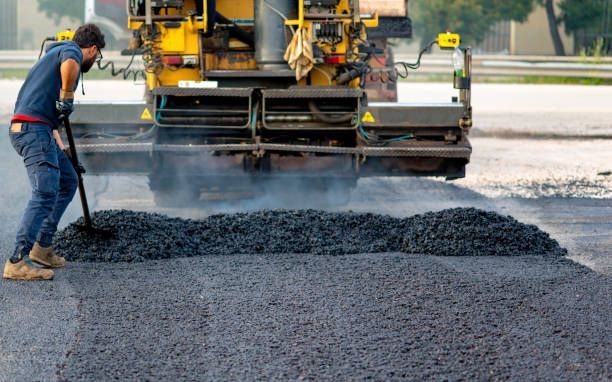
Hot pour crack fillers are heated before application, allowing them to bond more effectively with the asphalt surface. This type of filler is commonly used in professional maintenance due to its strength and durability.
It is particularly effective for larger cracks and high-traffic areas where long-term performance is required. The heated material flows into the crack more thoroughly, creating a strong seal that resists water infiltration and wear over time.
Rubberized Crack Fillers
Rubberized crack fillers offer enhanced flexibility, making them suitable for cracks that experience expansion and contraction. These fillers are designed to adapt to changing conditions without losing their integrity.
They are especially useful in regions with fluctuating temperatures, where asphalt surfaces are more prone to movement. Due to their advanced properties, rubberized fillers are often used in professional-grade maintenance programs.
When Should You Apply Asphalt Crack Filler
Timing plays a critical role in the effectiveness of crack filling. Applying filler under the right conditions ensures proper adhesion and long-lasting results.
Ideal Weather Conditions for Application
Moderate temperatures provide the best environment for crack filling. Conditions that are neither too hot nor too cold allow the material to bond effectively with the asphalt surface. Dry weather is also essential, as moisture can interfere with adhesion and curing.
Extreme heat can cause the filler to soften excessively, while freezing temperatures may prevent proper bonding. Choosing the right time for application ensures a durable and reliable repair.
Signs Your Asphalt Needs Crack Filling
Visible linear cracks across the surface are one of the earliest indicators that maintenance is needed. These cracks may appear small at first but can expand quickly if ignored. Early-stage deterioration without the presence of potholes is an ideal time for crack filling.
Water pooling near crack lines is another warning sign. This indicates that moisture is already entering the surface, increasing the risk of further damage. Addressing these signs promptly helps prevent more extensive repairs.
For properties requiring expert evaluation, working with experienced asphalt driveway contractors can help identify the right timing and approach for maintenance.
Step-by-Step Application Process
A proper application process ensures that crack filling delivers the desired results. Each step contributes to the overall effectiveness of the repair.
Surface Preparation
Preparation begins with cleaning the cracks thoroughly. Dirt, debris, vegetation, and moisture must be removed to create a clean surface for bonding. This step is essential because any obstruction can weaken the adhesion of the filler.
Ensuring that the crack is dry and free of contaminants allows the material to penetrate properly and form a strong seal.
Applying the Crack Filler
The filler is applied using specialized tools such as pour pots or applicators. The material should be distributed evenly along the crack, ensuring complete coverage without overfilling.
Proper application helps create a smooth surface that blends with the surrounding asphalt. This not only improves durability but also maintains the appearance of the pavement.
Curing and Post-Application Care
After application, the filler requires time to cure and set. During this period, traffic should be restricted to prevent disruption. Allowing adequate curing time ensures that the material bonds effectively and performs as intended.
Common Mistakes to Avoid
Avoiding common errors is essential for achieving long-lasting results from crack filling.
Ignoring Crack Width and Depth
Using the wrong type of filler for a specific crack can lead to premature failure. Wider or deeper cracks may require more durable materials, while smaller cracks can be treated with lighter solutions. Proper assessment ensures that the correct product is used.
Skipping Proper Cleaning
Failing to clean cracks before application reduces bonding strength and compromises the effectiveness of the repair. Even high-quality materials cannot perform well if applied to a contaminated surface.
How Crack Filling Fits Into a Larger Maintenance Plan
Crack filling is not a standalone solution but part of a broader asphalt maintenance strategy. Integrating it with other services ensures comprehensive protection.
Preparing for Sealcoating
Crack filling should always be completed before sealcoating. Sealing over untreated cracks traps moisture and reduces the effectiveness of the protective layer. A properly prepared surface allows sealcoating to create a uniform and durable finish.
For long-term pavement care and surface protection, exploring professional raleigh paving services can help maintain consistent results.
Long-Term Pavement Protection Strategy
A complete maintenance plan includes routine inspections, timely crack repair, and periodic sealcoating. This combination helps prevent minor issues from developing into major problems. Consistency is key to preserving asphalt surfaces and maximizing their lifespan.
Conclusion
Asphalt crack filling is a fundamental aspect of pavement maintenance that directly impacts durability and performance. By addressing cracks early, property owners can prevent water infiltration, reduce structural damage, and extend the life of their surfaces. Understanding the different types of fillers, proper application methods, and optimal timing ensures effective results.
A proactive approach to maintenance not only improves surface appearance but also reduces long-term repair costs. For those seeking reliable solutions and expert guidance, Tier One Asphalt offers professional support tailored to long-term pavement care. To get started with a maintenance plan or expert assistance, visit the contact page for more information.
FAQs
1. What is the best type of asphalt crack filler for long-term durability
Hot pour and rubberized crack fillers are generally the most durable options, especially for high-traffic areas and climates with temperature fluctuations.
2. How often should asphalt cracks be filled
Crack filling should be performed as soon as cracks appear. Regular inspections help determine when maintenance is needed.
3. Can crack filling prevent potholes
Yes, sealing cracks prevents water from entering the base layer, which is a major cause of potholes.
4. Is crack filling enough to maintain asphalt surfaces
Crack filling is an important step, but it should be combined with sealcoating and routine maintenance for the best results.
5. What happens if cracks are left untreated
Untreated cracks allow water infiltration, leading to structural damage, potholes, and eventually the need for more extensive repairs.
You might also like