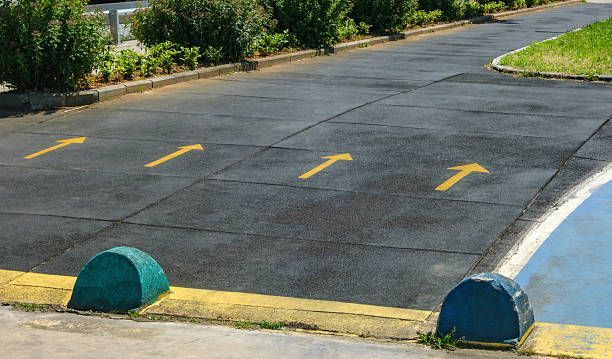
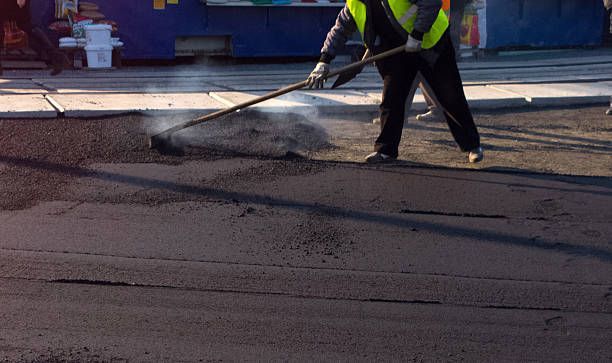
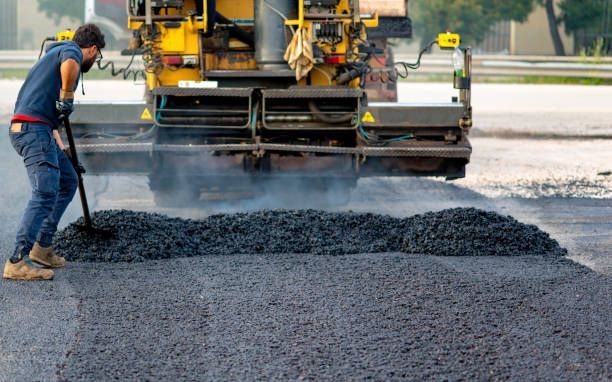
What Is Parking Lot Sealcoating and Why It Matters
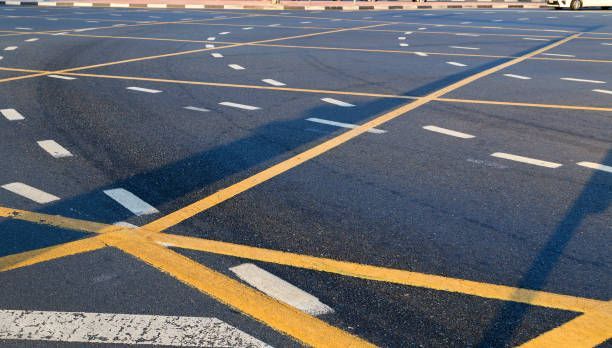
Maintaining a commercial parking lot requires more than occasional cleaning and repainting. Over time, asphalt surfaces are exposed to constant traffic, weather changes, and chemical spills that can weaken the structure. Parking lot sealcoating is a critical maintenance step that protects the surface, enhances its appearance, and extends its lifespan.
If you are searching for reliable parking lot sealcoating near me, understanding how sealcoating works and why it matters will help you make informed decisions for your property.
What Is Parking Lot Sealcoating?
Parking lot sealcoating is the process of applying a protective layer over asphalt pavement. This coating acts as a barrier against environmental elements and daily wear, helping preserve the integrity of the surface.
Sealcoating is not a repair method but a preventive maintenance solution that keeps asphalt in optimal condition when applied at the right time.
How Sealcoating Works
Sealcoating creates a thin protective layer that shields asphalt from harmful factors such as sunlight, water, and chemicals. It prevents oxidation, reduces surface brittleness, and slows down the aging process. This layer also fills minor surface voids, creating a smoother and more uniform finish.
Materials Used in Parking Lot Sealcoating
Sealcoating materials typically include coal tar based or asphalt based sealers combined with water, sand, and additives. These components improve durability, enhance traction, and ensure proper adhesion to the pavement.
For a detailed overview of professional services, explore this resource:
Parking Lot Sealcoating in Durham
Why Parking Lot Sealcoating Is Important
Sealcoating plays a vital role in protecting asphalt surfaces from various forms of damage. Without it, parking lots can deteriorate quickly, leading to costly repairs and safety concerns.
Protection from UV Rays
Continuous exposure to sunlight breaks down the binding agents in asphalt, causing it to become brittle and prone to cracking. Sealcoating blocks UV rays and helps maintain flexibility.
Prevents Water Damage
Water penetration is one of the leading causes of asphalt deterioration. Sealcoating creates a waterproof barrier that prevents moisture from seeping into the base layers and causing structural damage.
Resists Oil and Chemical Spills
Parking lots are often exposed to oil leaks and chemical spills that can weaken asphalt. Sealcoating provides resistance against these substances, reducing the risk of surface damage.
Improves Curb Appeal
A freshly sealcoated parking lot has a smooth, dark finish that enhances the overall appearance of a property. This creates a positive impression and reflects proper maintenance.
Key Benefits for Commercial Property Owners
Sealcoating offers several advantages that directly impact the longevity and value of commercial properties.
Extends Pavement Life
Regular sealcoating protects the asphalt surface and slows down deterioration. This extends the lifespan of the pavement and delays the need for major repairs or replacement.
Reduces Repair Costs
Preventive maintenance is more cost effective than reactive repairs. Sealcoating minimizes damage, reducing the frequency and expense of repairs over time.
Enhances Customer Safety
A well maintained parking lot reduces hazards such as cracks, potholes, and uneven surfaces. This improves safety for both pedestrians and vehicles.
Improves Property Value
A properly maintained parking lot contributes to the overall value of a commercial property. It reflects professionalism and attention to detail, which can positively influence customer perception.
When Should You Sealcoat a Parking Lot?
Timing is essential for achieving the best results from sealcoating. Applying it under the right conditions ensures proper adhesion and durability.
Recommended Maintenance Schedule
Most commercial parking lots should be sealcoated every 2 to 3 years. This schedule helps maintain a consistent protective layer and prevents significant wear.
Best Weather Conditions
Sealcoating should be applied during dry weather with moderate temperatures. This allows the coating to cure properly and ensures a strong bond with the asphalt surface.
Signs It's Time to Reseal
Fading color, visible cracks, and reduced water resistance are clear indicators that the parking lot needs resealing. Addressing these signs early prevents further damage.
Parking Lot Sealcoating Process
A systematic approach is essential for effective sealcoating. Each step contributes to the overall quality and durability of the finished surface.
Inspection
The process begins with a thorough inspection of the pavement. This helps identify cracks, surface damage, and areas that require repair before sealcoating.
Cleaning
Cleaning removes dirt, debris, and contaminants that could interfere with adhesion. A clean surface ensures even application and better results.
Crack Repair
Cracks are filled and sealed to prevent further damage. Proper repair ensures a smooth surface and enhances the effectiveness of the sealcoat.
Sealcoat Application
The sealcoat is applied evenly across the surface using professional equipment. This creates a uniform protective layer that enhances durability and appearance.
Curing and Reopening
After application, the sealcoat must cure completely before reopening the parking lot. This ensures maximum strength and longevity.
For commercial property solutions, consider this quick resource:
Commercial Sealcoating in Raleigh NC
Common Mistakes That Reduce Sealcoating Performance
Avoiding common mistakes is essential for achieving long lasting results.
Applying Over Damaged Pavement
Sealcoating should not be applied over severely damaged surfaces. Proper repairs must be completed first to ensure effectiveness.
Poor Weather Conditions
Applying sealcoat in wet or cold conditions can lead to improper curing and reduced durability.
Low-Quality Materials
Using inferior materials can compromise the performance and lifespan of the sealcoat.
Inadequate Cure Time
Allowing insufficient curing time can result in surface damage and reduced effectiveness.
Professional Sealcoating vs DIY
Choosing between professional services and DIY depends on the scale and complexity of the project.
Equipment Requirements
Sealcoating requires specialized equipment for proper application. Professional contractors use advanced tools to ensure consistent coverage.
Quality Differences
Professional sealcoating provides a smoother finish, better adhesion, and longer lasting results compared to DIY methods.
Cost Considerations
While DIY may appear cost effective initially, professional services offer better value through durability and reduced maintenance needs. TierOne Asphalt delivers high quality solutions tailored to commercial requirements.
Conclusion
Protect Your Parking Lot Investment with Routine Sealcoating
Parking lot sealcoating is an essential maintenance practice that protects asphalt surfaces, enhances appearance, and extends pavement life. By applying sealcoating at the right time and under proper conditions, property owners can reduce repair costs and maintain a safe, professional environment.
Consistent maintenance and expert application ensure the best results. For reliable service and guidance, you can always contact TierOne Asphalt to keep your parking lot in top condition and protect your investment for years to come.
Frequently Asked Questions
How long does parking lot sealcoating last?
Sealcoating typically lasts 2 to 3 years depending on traffic, weather conditions, and maintenance practices.
Can customers drive on it immediately?
No, the surface should remain closed until the sealcoat has fully cured, which usually takes 24 to 48 hours.
Does sealcoating repair potholes?
Sealcoating does not repair potholes. Structural repairs must be completed before applying the sealcoat.
How often should commercial parking lots be sealed?
Most commercial parking lots should be sealed every 2 to 3 years to maintain protection and appearance.
You might also like