When Is the Best Time for Driveway Sealcoating? Expert Guide
Keeping your driveway in excellent condition requires more than occasional cleaning. Sealcoating plays a key role in protecting asphalt surfaces from environmental damage and daily wear. However, timing is everything. Choosing the right time for sealcoating directly affects durability, appearance, and long term performance.
If you are searching for driveway sealcoating near me, understanding the ideal conditions and timing will help you make a better decision and maximize your investment.
Why the Timing of Driveway Sealcoating Matters
Sealcoating is not just about applying a protective layer. It is about applying it under the right conditions so it bonds properly and delivers long lasting results.
How Sealcoating Protects Asphalt
Sealcoating acts as a barrier between your driveway and harmful elements such as sunlight, water, oil, and chemicals. It slows down oxidation, prevents cracking, and keeps the surface flexible. Without proper timing, this protective layer may not cure correctly, reducing its effectiveness.
What Happens If You Sealcoat Too Early or Too Late
Applying sealcoat too early on a new driveway can trap oils that need time to evaporate. This can weaken the surface. On the other hand, waiting too long allows cracks and oxidation to worsen, making the sealcoat less effective and requiring more extensive repairs before application.
Benefits of Properly Timed Sealcoating
When done at the right time, sealcoating enhances durability, improves appearance, and extends the life of your driveway. It also reduces long term maintenance costs by preventing major damage.
When Is the Best Time for Driveway Sealcoating?
Timing depends on weather conditions, temperature, and environmental factors that influence curing.
Ideal Temperature Requirements
Sealcoating should be applied when temperatures are consistently above 50°F or 10°C. Warmer temperatures allow the sealcoat to cure properly and bond effectively with the asphalt surface.
Why Dry Weather Is Essential
Moisture is one of the biggest enemies of sealcoating. Rain or damp conditions can wash away uncured sealcoat or prevent proper adhesion. A clear forecast for at least 24 to 48 hours is ideal for application.
How Humidity Affects Sealcoat Curing
High humidity slows down the drying process, while low humidity allows faster curing. Balanced conditions help achieve a smooth and durable finish. Monitoring humidity levels ensures the sealcoat sets correctly.
For a deeper understanding of timing and frequency, explore this guide:
How Often Should You Sealcoat in Raleigh
Best Seasons for Driveway Sealcoating
Seasonal changes significantly impact sealcoating effectiveness. Each season offers different advantages and challenges.
Spring Sealcoating
Spring is a popular time for sealcoating because temperatures begin to rise and conditions become more stable. It is ideal for addressing damage caused by winter weather and preparing the driveway for summer use.
Summer Sealcoating
Summer provides the best conditions overall due to warm temperatures and longer daylight hours. Sealcoat dries faster and cures more effectively, making it one of the most recommended seasons.
Fall Sealcoating
Early fall can also be a good option as long as temperatures remain warm. It helps protect the driveway before colder months arrive. However, timing is important to avoid sudden drops in temperature.
Why Winter Is Not Recommended
Cold temperatures prevent proper curing and can cause sealcoat failure. Moisture from snow and frost further complicates application, making winter unsuitable for sealcoating.
How Often Should You Reseal an Asphalt Driveway?
Regular resealing is essential to maintain protection and extend lifespan.
Recommended Sealcoating Schedule
Most driveways benefit from sealcoating every 2 to 3 years. This schedule helps maintain a consistent protective layer and prevents surface deterioration.
Factors That Affect Resealing Frequency
Climate
Extreme weather conditions such as heat, rain, and freezing temperatures accelerate wear and may require more frequent sealcoating.
Traffic
Driveways with higher vehicle usage experience faster degradation and need more regular maintenance.
UV Exposure
Constant sunlight breaks down asphalt binders, leading to fading and cracking.
Asphalt Age
Older driveways may require more frequent sealing to maintain structural integrity.
Signs Your Driveway Needs Sealcoating
Recognizing early warning signs helps prevent costly repairs.
Faded Asphalt Color
A dull gray appearance indicates oxidation and loss of protective oils, signaling the need for sealcoating.
Small Surface Cracks
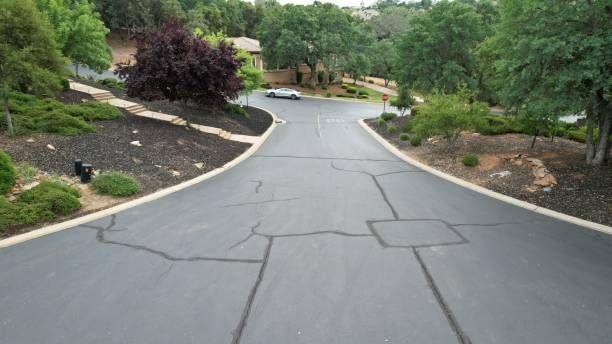
Minor cracks can expand over time if left untreated. Sealcoating helps prevent further damage.
Water Isn't Beading on the Surface
When water no longer forms beads and instead absorbs into the asphalt, it indicates that the protective layer has worn off.
Oxidation and Surface Wear
Surface roughness and brittleness are signs that the asphalt is deteriorating and needs protection.
Preparing Your Driveway Before Sealcoating
Proper preparation ensures the best results and long lasting performance.
Cleaning the Surface
Removing dirt, debris, and dust is essential for proper adhesion. A clean surface allows the sealcoat to bond effectively.
Repairing Cracks and Damage
Cracks and potholes should be repaired before sealcoating. Addressing these issues ensures a smooth and uniform finish. Learn more here:
Common Asphalt Driveway Issues in Raleigh NC
Removing Oil and Grease Stains
Oil stains can prevent sealcoat from sticking properly. Specialized cleaners should be used to eliminate these contaminants.
DIY vs Professional Driveway Sealcoating
Choosing between doing it yourself and hiring professionals depends on your goals and resources.
When DIY May Work
DIY sealcoating may be suitable for small driveways with minimal damage. It can save costs but requires careful preparation and application.
Advantages of Hiring Professionals
Professional services ensure proper preparation, high quality materials, and expert application. This results in better durability and a more polished finish. TierOne Asphalt provides reliable solutions designed to meet professional standards.
Common Mistakes to Avoid
Applying sealcoat in poor weather conditions, skipping repairs, or using low quality materials can lead to premature failure and additional costs.
Tips to Extend the Life of Your Sealcoated Driveway
Maintaining your driveway after sealcoating is just as important as the application itself.
Proper Maintenance
Regular cleaning and prompt removal of debris help preserve the surface and prevent damage.
Avoid Heavy Loads During Curing
Vehicles and heavy equipment should be kept off the driveway until the sealcoat fully cures to avoid surface damage.
Routine Inspections
Periodic inspections help identify minor issues early, allowing timely repairs and preventing larger problems.
Conclusion
Protect Your Driveway with Properly Timed Sealcoating
Timing is one of the most important factors in successful driveway sealcoating. Choosing the right temperature, season, and conditions ensures a durable and long lasting protective layer. Regular maintenance and proper preparation further enhance results, keeping your driveway in excellent condition for years.
For professional assistance and expert guidance, you can always contact a trusted provider like TierOne Asphalt to ensure your driveway receives the care it deserves.
Frequently Asked Questions
How long should I wait before sealcoating a new driveway?
New asphalt should cure for at least 6 to 12 months before sealcoating. This allows oils to evaporate and ensures proper bonding.
Can I sealcoat before it rains?
Sealcoating should not be done if rain is expected within 24 to 48 hours. Moisture can disrupt the curing process and damage the finish.
How long does sealcoating take to cure?
Sealcoat typically dries within 24 hours, but full curing may take up to 48 hours depending on weather conditions.
Does sealcoating repair cracks?
Sealcoating does not repair cracks. Cracks must be filled and repaired before applying the sealcoat for best results.
You might also like