Asphalt Crack Repair vs Sealcoating: What Comes First?
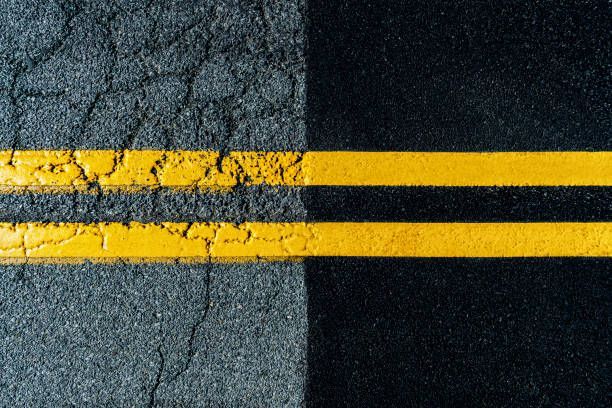
Asphalt surfaces require a structured approach to maintenance in order to remain durable and visually consistent over time. One of the most common areas of confusion is whether crack repair or sealcoating should be performed first. Both processes are essential, but they serve very different purposes. Applying them in the correct sequence ensures that the pavement is both structurally sound and properly protected against external elements.
A well maintained asphalt surface is not just about appearance. It is about preventing long term deterioration caused by water, oxidation, and regular usage. When maintenance steps are performed in the right order, the surface performs better and lasts significantly longer. For those looking to address early damage, exploring asphalt repair solutions helps establish a strong foundation before applying any protective coating.
Understanding Crack Repair
Crack repair is the first and most important step in asphalt maintenance because it addresses the underlying structural issues that develop over time. Asphalt naturally expands and contracts with temperature changes, which leads to the formation of cracks. If these cracks are left untreated, they allow water to penetrate beneath the surface and weaken the base layers.
Purpose of Crack Repair
The primary goal of crack repair is to restore the integrity of the asphalt surface by sealing openings that can lead to deeper damage. When water seeps through cracks, it begins to erode the foundation of the pavement. This weakens the structure and eventually leads to potholes or surface collapse. By repairing cracks early, the pavement retains its strength and resists further deterioration.
Crack repair also plays a key role in maintaining surface stability. Even small cracks can expand quickly when exposed to traffic pressure and environmental stress. Addressing these issues at an early stage ensures that the damage does not spread across the surface.
Types of Crack Repair Methods
There are different approaches to crack repair, and the method used depends on the condition and behavior of the crack. Some cracks remain stable over time, while others expand and contract due to temperature changes. For stable cracks, filling is commonly used to close the gaps and prevent moisture intrusion. For active cracks that shift with temperature, sealing is a more flexible solution that accommodates movement without breaking apart.
In cases where cracks are deeper or more severe, additional preparation such as routing may be required before sealing. This ensures better adhesion and longer lasting results. The goal is always to match the repair method to the type of damage so that the repair performs effectively under real conditions.
Understanding Sealcoating
Sealcoating is a protective treatment that is applied to the surface of asphalt after repairs have been completed. Unlike crack repair, which focuses on structural integrity, sealcoating is designed to preserve and protect the surface layer from environmental exposure.
Purpose of Sealcoating
Sealcoating acts as a barrier between the asphalt and external elements such as sunlight, moisture, and chemicals. Over time, asphalt loses its natural oils due to oxidation caused by ultraviolet rays. This process makes the surface brittle and more prone to cracking. Sealcoating slows this process by shielding the surface and maintaining its flexibility.
In addition to protecting against weather conditions, sealcoating also helps resist damage from oil and chemical spills. These substances can break down the binder in asphalt, leading to surface degradation. A properly applied sealcoat layer reduces this risk and extends the life of the pavement.
For larger properties or high traffic areas, understanding the benefits of commerical sealcoating can help maintain durability while reducing long term maintenance needs.
Correct Order of Asphalt Maintenance
The sequence of maintenance steps plays a critical role in determining how well the asphalt surface performs over time. Crack repair must always come before sealcoating because it addresses the root of the problem rather than just covering it.
Why Crack Repair Comes First
Crack repair is performed first to eliminate pathways that allow water to enter the pavement structure. If sealcoating is applied before repairing cracks, the coating will simply cover the surface without fixing the underlying issue. This can trap moisture beneath the sealcoat, which continues to weaken the pavement from below.
By completing crack repair first, the surface becomes stable and ready for protective treatment. This ensures that the sealcoat adheres properly and performs its role effectively. It also prevents future damage from developing beneath the sealed surface.
When Sealcoating Should Be Applied
Sealcoating should only be applied after all necessary repairs have been completed and the surface has been properly prepared. Preparation includes cleaning the surface to remove debris, dirt, and any loose material that could affect adhesion. The surface must also be completely dry to ensure that the sealcoat bonds correctly.
Weather conditions play an important role in the success of sealcoating. Moderate temperatures and dry conditions are ideal for application. Applying sealcoat under unsuitable conditions can reduce its effectiveness and lead to premature wear.
Risks of Doing It in the Wrong Order
Applying sealcoating before repairing cracks can lead to several issues that compromise the performance and lifespan of the asphalt surface. These problems often develop gradually but result in significant damage over time.
Sealing Over Cracks
When cracks are not repaired before sealcoating, they remain active beneath the surface layer. Moisture continues to enter through these cracks and becomes trapped under the sealcoat. This weakens the base layers and accelerates deterioration from within. The surface may appear smooth initially, but the hidden damage continues to grow.
Reduced Lifespan of Repairs
If crack repair is delayed or skipped, the effectiveness of future repairs is reduced. Sealcoating applied over untreated cracks can prevent proper bonding when repairs are eventually performed. This leads to recurring damage and increases the frequency of maintenance. Over time, this approach results in higher costs and reduced durability.
Ideal Maintenance Workflow
A structured maintenance workflow ensures that asphalt surfaces remain in optimal condition. Each step builds on the previous one, creating a comprehensive approach to care and protection.
Inspection and Assessment
The process begins with a thorough inspection of the surface to identify cracks, wear, and any signs of damage. This step is essential for determining the appropriate repair methods and prioritizing maintenance tasks. Regular inspections allow property owners to address issues early before they become more severe.
Repair, Then Protect
Once the assessment is complete, crack repair is performed to restore structural integrity. After repairs are completed and the surface is prepared, sealcoating is applied to protect the asphalt from future damage. This sequence ensures that both structural and surface level concerns are addressed effectively.
Working with experienced asphalt driveway contractors helps ensure that each stage of the process is handled correctly, resulting in a more durable and long lasting surface.
Why This Process Supports Long Term Durability
Following the correct order of crack repair and sealcoating is essential for maintaining the strength and longevity of asphalt surfaces. When repairs are completed first, the pavement is structurally sound. When sealcoating is applied afterward, the surface is protected from environmental damage.
This combination reduces the likelihood of major repairs and helps maintain consistent performance over time. It also improves the overall appearance of the pavement, making it look well maintained and professionally managed.
Tier One Asphalt LLC emphasizes a systematic approach to asphalt maintenance, ensuring that each step is completed with attention to detail and long term performance in mind.
Conclusion
Understanding the correct order of asphalt maintenance is essential for achieving long lasting results. Crack repair and sealcoating are both critical, but they must be applied in the right sequence to be effective. Repairing cracks first ensures that the pavement is structurally stable, while sealcoating provides the protection needed to preserve the surface.
A well planned maintenance strategy helps prevent damage, reduce costs, and extend the life of asphalt surfaces. Taking a proactive approach ensures that the pavement remains strong, functional, and visually consistent for years to come. For expert assistance or to get started with a maintenance plan, you can always contact a professional team for guidance.
FAQs
Why is crack repair necessary before sealcoating?
Crack repair is necessary because it prevents water from entering the pavement structure. Sealcoating alone cannot fix structural damage.
Can sealcoating stop cracks from forming?
Sealcoating helps prevent new cracks by protecting the surface, but it does not repair existing cracks.
How do I know if my asphalt needs crack repair?
Visible cracks, uneven surfaces, and early signs of wear indicate that crack repair is needed before applying any protective coating.
Is sealcoating required after every crack repair?
Sealcoating is recommended after repairs to protect the surface and extend the life of the pavement.
What happens if I delay both crack repair and sealcoating?
Delaying maintenance allows damage to worsen, leading to more extensive repairs and reduced lifespan of the asphalt surface.
You might also like