How Sealcoating Extends Asphalt Life: Expert Insights
Asphalt surfaces are a long-term investment that require consistent care to maintain their strength, appearance, and functionality. Whether used for driveways or larger paved areas, asphalt is constantly exposed to environmental elements and daily wear. Without proper maintenance, even high-quality asphalt can deteriorate faster than expected, leading to increased repair costs and reduced lifespan.
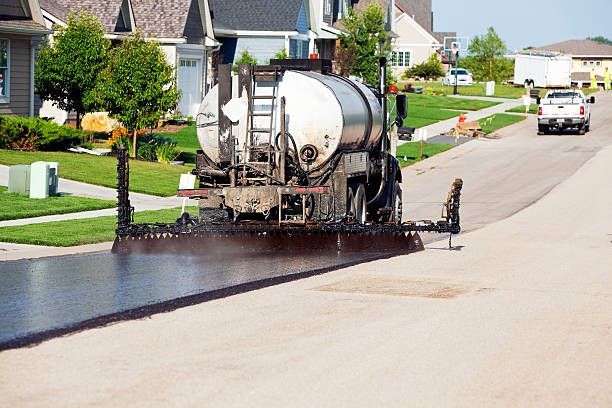
Sealcoating is widely recognized as one of the most effective preventive strategies for preserving asphalt surfaces. It acts as a protective layer that shields the pavement from harmful external factors while maintaining its structural integrity. Property owners who prioritize routine sealcoating benefit from longer-lasting surfaces and fewer major repair requirements. For those considering professional maintenance options, exploring commerical sealcoating services can help establish a reliable protection plan.
What Happens to Asphalt Without Sealcoating
Understanding the impact of neglecting sealcoating highlights why it is such an important part of asphalt maintenance. Without this protective layer, asphalt surfaces are directly exposed to environmental stressors that gradually weaken their structure.
Oxidation and Surface Degradation
One of the primary causes of asphalt deterioration is oxidation. Continuous exposure to sunlight breaks down the binder that holds the asphalt together. As this process progresses, the surface loses its flexibility and becomes brittle. This leads to visible fading, surface roughness, and an increased likelihood of cracking.
Over time, oxidation causes the asphalt to lose its original strength, making it more vulnerable to damage from traffic and environmental conditions. Without intervention, the surface continues to degrade at an accelerated rate.
Water Penetration and Structural Damage
Water infiltration is another major threat to asphalt surfaces. When cracks form, water seeps into the underlying layers, weakening the base structure. This process can lead to significant damage, including the formation of potholes and uneven surfaces.
Moisture also contributes to freeze and thaw cycles in colder conditions, which further expands existing cracks. Preventing water from entering the pavement is essential for maintaining structural stability and avoiding costly repairs.
Key Benefits of Sealcoating
Sealcoating offers a range of protective benefits that directly address the causes of asphalt deterioration. By applying a protective layer, property owners can significantly improve the durability and performance of their pavement.
Protection Against Environmental Damage
Sealcoating acts as a barrier against harmful environmental elements such as ultraviolet rays, rain, and temperature fluctuations. By blocking these factors, it helps preserve the integrity of the asphalt binder and prevents premature aging.
This protective layer also reduces the impact of weather-related stress, allowing the pavement to maintain its flexibility and resilience over time. For homeowners seeking consistent upkeep, professional driveway sealcoating near me services can provide targeted solutions based on specific conditions.
Resistance to Oil and Chemical Spills
Asphalt surfaces are often exposed to oil, fuel, and other chemicals that can break down the material. Sealcoating creates a protective shield that prevents these substances from penetrating the surface.
By reducing chemical damage, sealcoating helps maintain the structural integrity of the pavement and prevents surface deterioration. This added layer of protection is especially valuable for areas with regular vehicle use.
How Sealcoating Improves Longevity
Sealcoating is not just about immediate protection. It plays a critical role in extending the overall lifespan of asphalt surfaces by addressing the underlying causes of wear and damage.
Slowing the Aging Process
One of the most significant benefits of sealcoating is its ability to slow down the aging process of asphalt. By protecting the binder from oxidation and environmental exposure, it helps maintain the flexibility of the surface.
Flexible asphalt is less likely to crack under pressure, which reduces the need for frequent repairs. This preservation of material integrity ensures that the pavement remains functional for a longer period.
Reducing Repair Costs Over Time
Regular sealcoating minimizes the need for major repairs by addressing potential issues before they escalate. Small surface imperfections are less likely to develop into larger problems when the pavement is properly protected.
This preventive approach leads to significant cost savings over time. Instead of investing in extensive repairs or replacements, property owners can maintain their surfaces through consistent upkeep. Working with experienced asphalt driveway contractors ensures that maintenance strategies are tailored to long-term performance.
Sealcoating vs Other Maintenance Methods
While sealcoating is an essential part of asphalt maintenance, it is most effective when combined with other repair methods. Understanding how it compares to these methods helps create a comprehensive maintenance plan.
Role Compared to Crack Filling
Sealcoating and crack filling serve different purposes but work together to protect asphalt surfaces. Sealcoating provides a protective layer that shields the surface from environmental damage, while crack filling addresses existing damage by sealing openings in the pavement.
Crack filling is typically performed before sealcoating to ensure a smooth and uniform surface. This combination enhances the effectiveness of both treatments and contributes to overall pavement durability.
Best Practices for Maximum Results
To achieve the full benefits of sealcoating, it is important to follow best practices that ensure proper application and long-term performance.
Timing and Weather Considerations
Sealcoating should be applied under optimal weather conditions to ensure proper adhesion and curing. Moderate temperatures and dry conditions provide the best environment for application. Extreme heat or cold can affect the performance of the sealcoat and reduce its effectiveness.
Scheduling sealcoating at the right time ensures that the protective layer bonds properly with the asphalt surface and delivers consistent results.
Combining with Routine Maintenance
Sealcoating should be part of a broader maintenance strategy that includes regular inspections and timely repairs. Identifying issues early and addressing them promptly helps maintain the overall condition of the pavement.
Routine maintenance also ensures that the sealcoating layer remains effective over time. By integrating different maintenance practices, property owners can maximize the lifespan and performance of their asphalt surfaces.
Conclusion
Sealcoating is a critical component of asphalt maintenance that directly impacts durability, performance, and long-term value. By protecting against environmental damage, reducing the effects of oxidation, and preventing water infiltration, it helps extend the lifespan of asphalt surfaces significantly.
A consistent sealcoating schedule, combined with proper preparation and complementary maintenance methods, ensures that pavement remains in optimal condition. This proactive approach not only improves appearance but also minimizes the need for costly repairs.
For property owners looking to maintain high-quality asphalt surfaces, Tier One Asphalt provides reliable solutions designed for long-term protection. To explore maintenance options or get expert guidance, visit the contact page.
FAQs
How does sealcoating extend the life of asphalt
Sealcoating protects the surface from oxidation, water damage, and chemical exposure, which helps maintain its strength and flexibility over time.
Is sealcoating necessary for all asphalt surfaces
Yes, sealcoating is recommended for both residential and commercial asphalt surfaces to ensure long-term durability and performance.
Can sealcoating prevent cracks completely
Sealcoating reduces the risk of cracks by protecting the surface, but it should be combined with crack repair for complete maintenance.
How often should sealcoating be applied
Sealcoating is typically applied every two to three years, depending on usage and environmental conditions.
What is the difference between sealcoating and resurfacing
Sealcoating is a preventive maintenance process that protects the surface, while resurfacing involves replacing the top layer of asphalt to address significant damage.
You might also like