How Often Should You Sealcoat a Parking Lot?
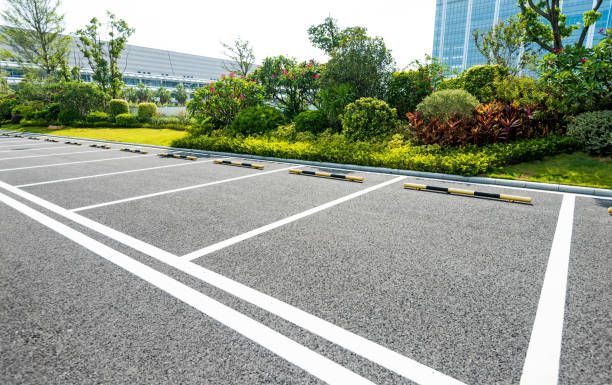
Sealcoating plays a vital role in maintaining the durability and appearance of asphalt parking lots. Over time, asphalt surfaces are exposed to sunlight, moisture, vehicle fluids, and constant traffic, all of which contribute to gradual wear and deterioration. Without proper protection, these factors accelerate surface breakdown, leading to cracks, fading, and costly structural damage.
Neglecting routine sealcoating often results in higher long-term maintenance expenses. Small issues that could have been prevented with a protective layer may evolve into larger repair needs. This makes sealcoating not just a maintenance task but a strategic investment in pavement longevity.
For property managers and facility owners, understanding the correct sealcoating schedule is essential for effective planning. Whether maintaining a commercial parking lot or a multi-use property, following a consistent maintenance approach helps preserve surface quality. If you are evaluating options, exploring professional parking lot sealcoating near me services can help ensure proper application and long-lasting results.
What Is Parking Lot Sealcoating
Before determining how often sealcoating should be performed, it is important to understand what the process involves and why it is necessary. Sealcoating is the application of a protective layer over asphalt surfaces to shield them from environmental and chemical damage. It serves as a barrier that preserves the underlying structure and maintains the visual appeal of the pavement.
Purpose of Sealcoating
The primary purpose of sealcoating is to protect asphalt from harmful elements that contribute to its deterioration. Ultraviolet rays from the sun break down the binding materials in asphalt, causing it to become brittle over time. Water penetration can weaken the base layers, while oil and chemical spills further degrade the surface.
In addition to protection, sealcoating restores the rich black finish of asphalt, enhancing its overall appearance. This contributes to a cleaner and more professional look, which is particularly important for commercial properties.
How Sealcoating Works
Sealcoating works by forming a protective barrier over the asphalt surface. This layer acts as a shield against moisture, oxidation, and chemical exposure. By preventing these elements from penetrating the surface, sealcoating slows down the natural aging process of asphalt.
The coating also fills minor surface voids, creating a smoother and more uniform finish. This not only improves durability but also enhances the effectiveness of other maintenance practices such as line striping and crack repair.
Recommended Sealcoating Frequency
Determining the right sealcoating frequency depends on several factors, including usage, environmental conditions, and the quality of the initial installation. A well-planned schedule ensures consistent protection without unnecessary costs.
General Industry Guidelines
In most cases, parking lots should be sealcoated every two to three years. This timeframe provides a balance between maintaining protection and avoiding over-application. Newly installed asphalt may require its first sealcoating after sufficient curing, typically within the first year.
Regular scheduling helps maintain a strong protective layer, reducing the likelihood of surface damage. Property managers who follow these guidelines can extend the life of their asphalt surfaces significantly.
Factors That Affect Frequency
Several variables influence how often sealcoating is needed. Traffic volume is one of the most important factors. High-traffic parking lots experience more wear and may require more frequent applications.
Climate conditions also play a major role. Areas with intense sunlight, heavy rainfall, or temperature fluctuations place additional stress on asphalt surfaces. Additionally, the quality of the original asphalt installation impacts how well the surface withstands environmental exposure.
For properties that require consistent upkeep, investing in professional commerical sealcoating ensures that maintenance schedules are tailored to specific conditions.
Signs Your Parking Lot Needs Sealcoating
Even with a planned schedule, it is important to monitor the condition of the asphalt surface. Recognizing early signs of wear allows for timely maintenance and prevents more serious damage.
Fading and Surface Wear
One of the most visible indicators is the fading of the asphalt surface. A well-maintained parking lot typically has a deep black finish, but exposure to sunlight gradually causes it to turn gray. This fading signals that the protective layer has worn away.
Surface texture changes are another sign. When the asphalt begins to feel rough or uneven, it indicates that the surface is losing its integrity and requires attention.
Minor Cracks Appearing
The appearance of small cracks is an early warning that the protective barrier is no longer effective. These cracks may seem minor at first, but they allow water to penetrate the surface and weaken the underlying layers.
Addressing these issues promptly through sealcoating helps prevent further deterioration and reduces the need for extensive repairs.
Benefits of Regular Sealcoating
Regular sealcoating offers a range of benefits that go beyond surface protection. It contributes to both the functional and visual quality of asphalt parking lots.
Extending Pavement Life
One of the most significant advantages of sealcoating is its ability to extend the lifespan of asphalt surfaces. By protecting against environmental damage and reducing wear, it minimizes the need for major repairs.
Consistent maintenance slows down the aging process, allowing the pavement to remain functional for a longer period. This results in lower long-term costs and improved asset value.
Improving Safety and Appearance
Sealcoating enhances the visibility of pavement markings, which is essential for traffic flow and safety. Clear and well-defined lines help guide vehicles and pedestrians, reducing the risk of accidents.
A freshly sealcoated surface also creates a clean and professional appearance. This is particularly important for commercial properties, where presentation plays a key role in overall perception. Working with experienced parking lot striping contractors ensures that markings remain clear and effective after sealcoating.
Preparing for Sealcoating
Proper preparation is essential for achieving optimal results from sealcoating. A well-prepared surface allows the coating to adhere effectively and perform as intended.
Importance of Crack Repair Before Sealcoating
Crack repair should always be completed before applying a sealcoat. Sealing over untreated cracks traps moisture and prevents the coating from forming a uniform layer. This reduces the effectiveness of the sealcoat and shortens its lifespan.
Repairing cracks beforehand ensures a smooth surface and improves the overall durability of the treatment.
Cleaning and Surface Preparation
Thorough cleaning is a critical step in the preparation process. Dirt, debris, and oil stains must be removed to allow proper adhesion. A clean surface ensures that the sealcoat bonds effectively and provides consistent coverage.
Attention to preparation details directly impacts the quality and longevity of the sealcoating application.
Common Mistakes in Sealcoating Scheduling
Avoiding common mistakes helps ensure that sealcoating delivers maximum benefits and remains cost-effective.
Waiting Too Long Between Applications
Delaying sealcoating beyond the recommended timeframe allows the asphalt surface to deteriorate significantly. Once cracks and structural issues develop, sealcoating alone may not be sufficient to restore the pavement.
Regular maintenance prevents these problems and keeps the surface in good condition.
Applying Too Frequently
While regular sealcoating is important, applying it too often does not provide additional benefits. Over-application can lead to unnecessary expenses without improving performance.
A balanced approach that follows industry guidelines ensures effective protection without excessive costs.
Conclusion
Sealcoating is an essential component of asphalt maintenance that directly impacts durability, safety, and appearance. Following a consistent schedule based on industry guidelines and property-specific factors helps protect parking lots from environmental damage and wear.
Understanding the signs of surface deterioration, preparing properly, and avoiding common mistakes all contribute to successful sealcoating outcomes. A proactive maintenance strategy not only extends pavement life but also reduces long-term repair costs.
For property owners seeking reliable maintenance solutions, Tier One Asphalt provides professional expertise tailored to long-term pavement care. To plan your next maintenance step or get expert guidance, visit the contact page.
FAQs
How often should a parking lot be sealcoated
Most parking lots should be sealcoated every two to three years, depending on traffic and environmental conditions.
Can sealcoating fix cracks in asphalt
Sealcoating does not repair cracks. Crack filling or sealing should be completed before applying a sealcoat.
What happens if sealcoating is delayed
Delaying sealcoating can lead to surface deterioration, cracks, and higher repair costs over time.
Is sealcoating necessary for new asphalt
Yes, new asphalt should be sealcoated after it has cured to protect it from ear
Does sealcoating improve parking lot appearance
Sealcoating restores the dark finish of asphalt and enhances the visibility of pavement markings, improving overall appearance and safety.
You might also like