How to Plan Asphalt Maintenance for Commercial Properties
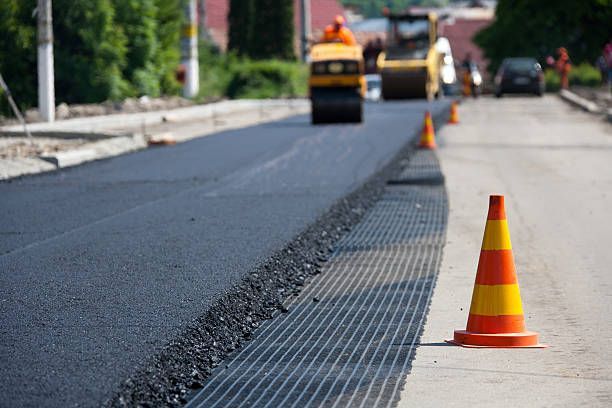
Commercial asphalt surfaces are exposed to regular vehicle traffic, changing weather conditions, moisture, and everyday wear. Without a structured maintenance plan, minor pavement problems can gradually become more extensive and require additional repairs. A proactive approach helps property owners monitor pavement condition, identify maintenance needs, and plan work before deterioration becomes widespread.
A commercial asphalt maintenance plan should consider more than repairs alone. Regular inspections, crack filling, pothole repairs, sealcoating, drainage management, and line striping can all contribute to keeping parking areas functional and properly maintained. Planning these tasks in advance can also help property owners organize their budgets and schedule maintenance around the needs of the property.
For businesses and property managers in the area, asphalt paving services durham nc can provide information about available paving and pavement maintenance options.
Why Commercial Asphalt Needs a Maintenance Plan
A maintenance plan gives property owners a structured way to monitor pavement and respond to changing conditions. Instead of waiting for visible deterioration to become extensive, regular maintenance helps identify issues that may require attention.
Protecting the Pavement From Progressive Damage
Asphalt deterioration can develop gradually. Small cracks may allow moisture to reach areas beneath the pavement, while untreated surface defects can become more noticeable over time.
Regular inspections and timely maintenance can help address these issues before they contribute to more extensive pavement deterioration. Crack filling, surface repairs, and sealcoating can each have a role depending on the condition of the asphalt.
Maintaining Safe and Functional Parking Areas
Commercial parking areas need to remain functional for vehicles and pedestrians. Cracks, potholes, surface deterioration, and standing water can affect how the parking area is used and maintained.
A planned maintenance approach allows property owners to identify these concerns and schedule appropriate work before they interfere more significantly with the pavement.
Making Maintenance Costs More Predictable
Planned inspections can help property owners identify maintenance needs earlier and organize future work. Instead of responding only when significant damage appears, businesses can separate routine maintenance from larger repair projects.
This can make it easier to plan annual maintenance budgets and account for future pavement work.
Start With a Commercial Asphalt Condition Assessment
Before creating a maintenance schedule, evaluate the current condition of the pavement. A condition assessment provides a starting point for determining which tasks require immediate attention and which can be planned for later.
Inspect Cracks and Surface Damage
Look for visible cracks, surface wear, loose material, and areas where the pavement appears to be deteriorating. Documenting these conditions can help track changes during future inspections.
Check for Potholes
Potholes should be identified and evaluated as part of the initial assessment. Their size, location, and surrounding pavement condition can help determine the appropriate repair requirements.
Look for Alligator Cracking
Alligator cracking consists of interconnected cracks that can indicate more significant pavement deterioration. These areas should receive careful evaluation rather than being treated as simple surface cracks.
Evaluate Drainage
Standing water and poor drainage can contribute to asphalt deterioration. Inspect areas where water collects and determine whether drainage improvements or other corrective work may be necessary.
Review Existing Sealcoating
If the parking lot has previously been sealcoated, evaluate the condition of the existing coating. Fading, surface wear, and other changes can help determine whether another sealcoating application should be considered.
Assess Line Striping and Pavement Markings
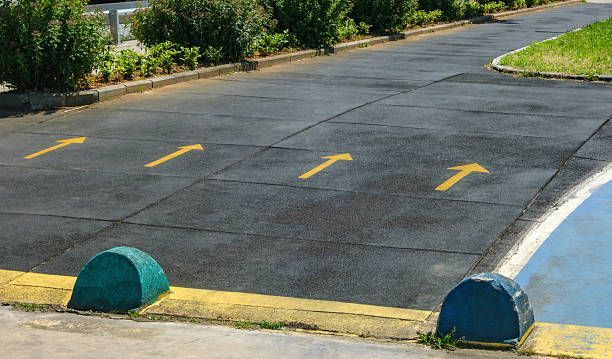
Parking spaces, traffic markings, directional arrows, accessible parking markings, and other pavement markings should also be reviewed. Faded markings can affect organization and visibility throughout the parking area.
Build a Commercial Asphalt Maintenance Schedule
Once the pavement condition has been assessed, organize maintenance tasks according to urgency, frequency, and pavement needs. A schedule should be flexible enough to account for changing conditions.
Routine Pavement Inspections
Regular inspections provide an opportunity to identify new cracks, potholes, drainage concerns, and other surface changes. The inspection frequency can depend on traffic levels, pavement age, weather exposure, and existing condition.
Documenting inspection findings also makes it easier to compare pavement condition over time.
Crack Filling and Crack Sealing
Cracks should be addressed before moisture has an opportunity to contribute to additional deterioration. Depending on the type and condition of the cracks, crack filling or crack sealing may be appropriate.
These treatments should be considered separately from sealcoating because they address different maintenance needs.
Pothole and Surface Repairs
Potholes and other damaged areas should be evaluated and repaired according to their condition. Delaying necessary repairs can allow damage to become more extensive.
Including repairs in an annual maintenance schedule helps property owners address them as part of an organized pavement plan.
Parking Lot Sealcoating
Sealcoating can be used as part of preventive asphalt maintenance when the existing pavement is suitable for treatment. It provides a protective surface layer that can help reduce exposure to moisture, UV rays, and everyday surface wear.
The timing of sealcoating should depend on pavement condition, previous maintenance, traffic, and weather exposure rather than following an identical schedule for every property.
Line Striping Maintenance
Line striping helps define parking spaces, traffic areas, accessible spaces, and other designated sections of a parking lot. Include pavement markings in the maintenance schedule so they can be reviewed and refreshed when necessary.
How to Plan a Parking Lot Sealcoating Schedule
Sealcoating should be incorporated into the broader maintenance plan rather than treated as an isolated project. The condition and usage of the pavement should guide the timing.
Consider Pavement Age and Condition
Older pavement may have different maintenance requirements than newer asphalt. Before scheduling sealcoating, inspect the surface for cracking, potholes, structural deterioration, and other issues that may need attention first.
Consider Traffic and Usage
Parking lots with frequent vehicle movement can experience greater surface wear. Traffic volume should therefore be considered when planning preventive maintenance.
Consider Weather Exposure
Sunlight, moisture, temperature changes, and other weather conditions can affect asphalt over time. Local weather exposure should be considered when deciding when maintenance should be scheduled.
Coordinate Sealcoating With Other Maintenance
Sealcoating should be coordinated with crack repairs, surface repairs, drainage work, and line striping where applicable. Organizing related maintenance together can help create a more efficient overall schedule.
How to Budget for Commercial Asphalt Maintenance
Budgeting becomes easier when property owners separate routine maintenance from major repairs. A maintenance budget should account for current pavement needs as well as future work.
Separate Routine Maintenance From Major Repairs
Routine tasks may include inspections, crack filling, sealcoating, drainage maintenance, and line striping. Larger repairs should be budgeted separately because their scope can vary considerably.
Prioritize Immediate Pavement Concerns
Not every pavement issue has the same level of urgency. Safety concerns, significant potholes, major cracking, and drainage problems should be evaluated and prioritized appropriately.
Set Aside Funds for Preventive Maintenance
Preventive maintenance should have a place in the annual budget. Planning funds for routine pavement care can help property owners avoid relying entirely on reactive repairs.
Account for Future Asphalt Projects
Longer-term budgeting should also consider potential resurfacing, major repairs, or other substantial asphalt projects. Maintaining records of pavement condition can help identify when larger work may need to be considered.
What Can Affect Commercial Asphalt Maintenance Costs?
Maintenance costs vary from one property to another because pavement conditions and project requirements are different.
Parking Lot Size
A larger parking area generally requires more material, preparation, labor, and project time than a smaller area.
Pavement Condition
The existing condition of the asphalt can significantly affect the scope of maintenance. Pavement requiring extensive repairs before preventive treatments may involve additional work.
Required Repairs
Crack repairs, pothole repairs, drainage improvements, and other corrective work can add to the overall project scope.
Accessibility and Site Conditions
Parking lot access, traffic management, site layout, and other property conditions can affect how maintenance work is planned and scheduled.
Scope of Maintenance
Costs also depend on whether the project involves a single maintenance treatment or multiple services performed as part of a broader pavement plan.
How to Choose an Asphalt Maintenance Contractor
Selecting a contractor involves understanding the proposed work and how it fits the property's pavement needs. Property owners should look beyond a basic price comparison and review the scope of services.
Review Relevant Services
Look for a contractor that offers services relevant to the property's requirements, such as asphalt paving, repairs, sealcoating, and pavement maintenance.
For property owners evaluating contractor options, reviewing services for asphalt driveway contractors can also provide additional information about available asphalt solutions.
Ask About Inspection and Assessment
Ask how the existing pavement will be evaluated before work begins. A proper assessment can help identify repairs and maintenance treatments that may be needed.
Request a Detailed Scope of Work
A detailed scope should explain what areas will be addressed and which maintenance tasks are included. This makes it easier to understand the project and compare proposals.
Ask About Maintenance Recommendations
Ask the contractor to explain which maintenance treatments are appropriate for the current pavement condition and why they are being recommended.
Clarify Scheduling and Project Requirements
Discuss project timing, site access, preparation requirements, traffic restrictions, and other factors that could affect the maintenance schedule.
Creating an Annual Asphalt Maintenance Checklist
An annual checklist can help property owners keep pavement maintenance organized throughout the year. It should be reviewed periodically and adjusted according to pavement condition.
Inspect Pavement
Schedule routine inspections to identify cracks, potholes, surface deterioration, drainage issues, and other concerns.
Document Cracks and Surface Damage
Record the location and condition of pavement defects. Keeping documentation can help property owners monitor whether problems are changing over time.
Address Drainage Issues
Inspect areas where water collects and address drainage concerns that could contribute to pavement deterioration.
Schedule Necessary Repairs
Plan crack filling, crack sealing, pothole repairs, and other required maintenance based on the condition assessment.
Plan Sealcoating
Determine whether the pavement is suitable for sealcoating and schedule the work according to surface condition, weather, traffic, and previous maintenance.
Review Line Striping
Inspect parking spaces and pavement markings. Schedule restriping when markings become difficult to see or no longer provide clear guidance.
Conclusion: Build a Proactive Asphalt Maintenance Plan
A commercial asphalt maintenance plan provides a structured way to monitor pavement condition, address developing problems, and plan future work. Regular inspections can identify cracks, potholes, drainage concerns, surface deterioration, and faded pavement markings before they become more extensive maintenance challenges.
An effective plan should combine routine inspections with appropriate crack repairs, pothole maintenance, sealcoating, drainage management, and line striping. Property owners should also consider pavement age, traffic, weather exposure, existing condition, and future project requirements when building their maintenance schedule and budget.
A proactive approach can help commercial property owners make informed maintenance decisions and keep pavement care organized throughout the year. For more information about available asphalt maintenance and paving options, you can contact the contractor to discuss your property's specific requirements.
FAQs About Commercial Asphalt Maintenance
How often should a commercial parking lot be inspected?
Commercial parking lots should be inspected regularly, with the frequency depending on traffic, pavement age, weather exposure, and existing surface condition. Additional inspections may be appropriate after severe weather or when visible pavement problems appear.
When should a commercial parking lot be sealcoated?
Sealcoating should be considered when the asphalt is in suitable condition and requires preventive surface protection. The timing depends on pavement age, condition, traffic, weather exposure, and previous maintenance.
Should cracks be repaired before sealcoating?
Yes. Cracks should be evaluated before sealcoating, and cracks requiring filling or sealing should generally be addressed as part of the preparation process. Sealcoating and crack repair serve different maintenance purposes.
What should a commercial asphalt maintenance plan include?
A comprehensive plan can include routine pavement inspections, crack filling or sealing, pothole repairs, sealcoating, drainage evaluation, line striping, documentation, and budgeting for future maintenance or larger asphalt projects.
How can property owners budget for asphalt maintenance?
Property owners can start by assessing current pavement condition and separating routine maintenance from major repairs. Setting aside funds for preventive work and accounting for future pavement projects can make annual budgeting more organized.
You might also like