Sealcoating Parking Lots: Common Mistakes to Avoid
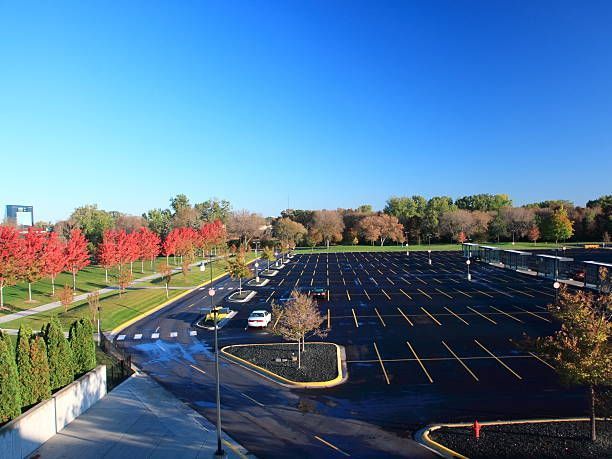
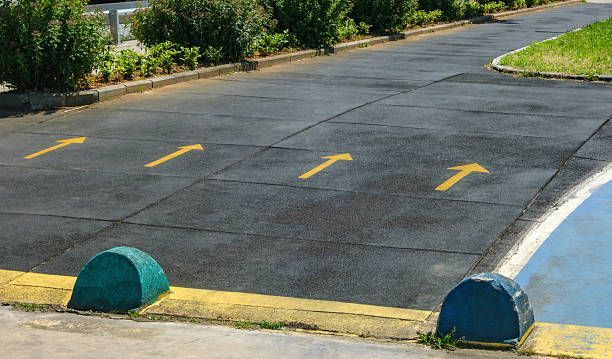
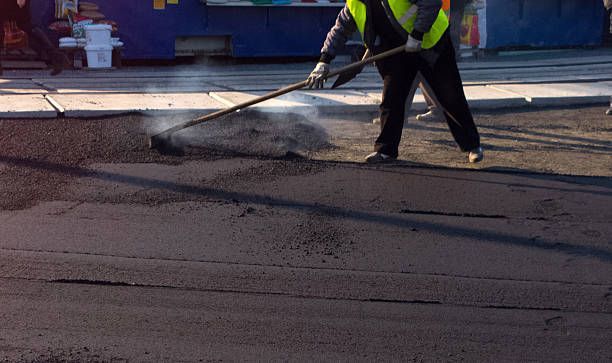
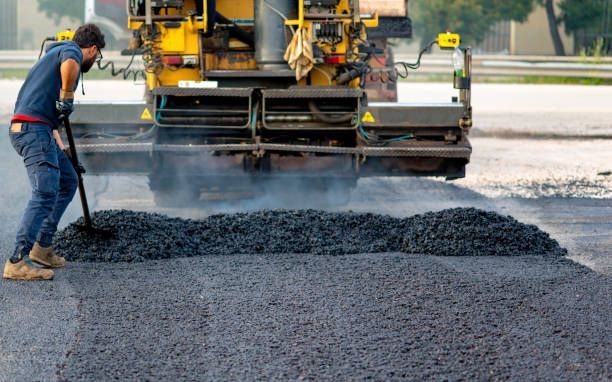
Sealcoating is an important part of ongoing asphalt maintenance for parking lots. A properly applied sealcoat can help protect asphalt from moisture, sunlight, chemicals, and everyday surface wear while maintaining a clean and uniform appearance. However, sealcoating is not simply a matter of applying a coating over the pavement. The condition of the asphalt, surface preparation, weather, application process, and curing time can all affect the final result.
For property owners and managers, understanding common sealcoating mistakes can help prevent premature deterioration and unnecessary maintenance expenses. Proper planning is especially important when a parking lot already has cracks, potholes, drainage concerns, or other pavement damage.
If you are considering professional maintenance, parking lot sealcoating near me can be a useful starting point for evaluating available sealcoating services and determining whether your parking lot is ready for treatment.
What Is Parking Lot Sealcoating?
Parking lot sealcoating involves applying a protective coating over an existing asphalt surface. The purpose is to create a barrier between the pavement and damaging environmental factors while helping maintain the surface's appearance and condition.
Sealcoating should be considered part of preventive pavement maintenance rather than a replacement for necessary asphalt repairs.
How Sealcoating Protects Asphalt
Asphalt is exposed to sunlight, water, chemicals, vehicle traffic, and normal weather conditions throughout its service life. Over time, these factors can contribute to oxidation, cracking, surface wear, and other forms of deterioration.
Sealcoating provides a protective layer that helps reduce exposure to moisture, UV rays, and chemicals such as oil and gasoline. By limiting these exposures, regular sealcoating can help preserve the asphalt surface and delay more extensive deterioration.
The condition of the pavement still matters. Sealcoating works best when applied to asphalt that is structurally suitable for this type of maintenance.
When Sealcoating Is Appropriate
Before applying a sealcoat, the existing pavement should be inspected. Minor surface issues may be addressed as part of preparation, while extensive potholes, widespread cracking, or structural problems may require more substantial asphalt work first.
Sealcoating is intended primarily for protection and maintenance. It should not be treated as a solution for major pavement failures.
Common Sealcoating Parking Lot Mistakes
Avoiding basic preparation and application mistakes can make a significant difference in how well a sealcoat performs. The following problems can reduce adhesion, shorten the useful life of the coating, or leave underlying pavement issues unresolved.
Applying Sealer to Damaged Asphalt
One of the most common mistakes is applying sealcoat over pavement that needs significant repair. Potholes, substantial cracks, crumbling areas, and other damage should be evaluated before sealcoating begins.
A sealcoat provides surface protection, but it cannot restore severely damaged asphalt or correct structural problems underneath the pavement. Repairs may need to be completed first so the sealcoating can be applied to a stable and properly prepared surface.
Skipping Surface Preparation
Proper preparation is essential for adhesion. Dirt, dust, loose material, oil, and other contaminants can interfere with the bond between the asphalt and sealant.
The surface should be inspected and cleaned before application. A professional preparation process can include removing debris and addressing areas that could prevent the coating from adhering properly.
Skipping this step may leave an uneven finish or contribute to premature coating failure.
Applying Sealcoat in Unsuitable Weather
Weather conditions can affect both application and curing. Rain and excessive moisture can interfere with the sealcoat before it has properly set. Temperature and humidity can also affect drying time.
Sealcoating should therefore be scheduled when conditions are appropriate for the product being used. Property owners should also understand that changing weather can affect when the parking lot is ready for normal traffic.
Applying Too Much or Too Little Sealer
The amount of sealcoat applied also matters. Applying too much material does not necessarily provide better protection. Excessive coating can create problems with drying, curing, and surface performance.
Applying too little may result in inadequate coverage and reduced protection. Following appropriate application specifications helps create a more consistent and durable surface.
Ignoring Existing Cracks
Crack filling and sealcoating serve different purposes. Sealcoating protects the broader asphalt surface, while crack sealing addresses openings where water can enter the pavement.
Existing cracks should therefore be identified and evaluated before sealcoating. Cracks that require filling should generally be addressed during the preparation process rather than simply covered with sealant.
Rushing the Curing Process
A freshly sealcoated parking lot needs adequate time to dry and cure before normal traffic resumes. Allowing vehicles onto the surface too soon can affect the finish and performance of the coating.
The required curing period depends on weather, surface conditions, and the materials used. Property owners should follow the contractor's instructions regarding when vehicles and pedestrians can return to the area.
Failing to Consider Drainage Problems
Sealcoating cannot correct an underlying drainage problem. Standing water and poor drainage can continue to expose asphalt to moisture even after the surface has been sealed.
Before sealcoating, drainage concerns should be identified and addressed where necessary. Managing water effectively is an important part of maintaining asphalt over the long term.
How to Prepare a Parking Lot for Sealcoating
Good preparation helps create the foundation for a successful sealcoating project. Before scheduling the application, property owners should consider the overall condition of the pavement and any factors that could affect the finished surface.
Inspect the Existing Pavement
Begin by looking for cracks, potholes, surface deterioration, drainage concerns, and areas of significant wear. An inspection helps determine whether sealcoating is appropriate or whether repairs should come first.
A professional assessment can also help identify maintenance needs that may not be obvious from a simple visual inspection.
Repair Cracks and Potholes
Cracks and potholes should be evaluated before sealcoating. Minor cracks may require crack filling, while potholes and more substantial damage may require patching or other asphalt repair methods.
Completing necessary repairs first allows the sealcoat to serve its intended role as a protective surface treatment.
Clean the Surface
The asphalt should be free of dirt, debris, oil, and loose materials before the sealcoat is applied. Cleaning helps create a surface that allows the coating to adhere properly.
Preparation may also include removing material from cracks and other areas that need repair.
Address Drainage Concerns
Water should have a suitable path away from the pavement. Persistent standing water can contribute to asphalt deterioration and may undermine the benefits of surface maintenance.
Drainage issues should be considered before sealcoating rather than expecting the sealcoat to resolve them.
Confirm Suitable Weather Conditions
The application should be scheduled around appropriate weather conditions. Rain, excessive moisture, and unsuitable temperatures can interfere with the application and curing process.
Discussing weather requirements with the contractor before scheduling can help reduce delays and protect the quality of the finished surface.
How Often Should a Parking Lot Be Sealcoated?
There is no single schedule that applies to every parking lot. Tier One Asphalt notes that sealcoating frequency can depend on factors such as traffic, sunlight, pavement condition, and previous maintenance. Commercial lots may require more frequent attention because they typically experience greater traffic and environmental exposure.
Factors That Affect Sealcoating Frequency
Several factors can influence how often a parking lot should be sealcoated:
- Traffic volume: Frequent vehicle movement can increase surface wear.
- Weather exposure: Sunlight, rain, temperature changes, and other weather conditions can accelerate deterioration.
- Pavement age: Older asphalt may require more careful and frequent maintenance.
- Existing surface condition: Faded, rough, or lightly cracked pavement may indicate that maintenance should be evaluated.
- Previous maintenance: Consistent crack sealing and sealcoating can influence the overall condition of the asphalt.
Rather than relying only on a fixed calendar, property owners should consider the condition and usage of their pavement when planning maintenance.
Why Timing Matters
Preventive maintenance is most useful when it is planned before pavement deterioration becomes extensive. Waiting until a parking lot has widespread cracking, potholes, or major surface failure can result in a need for more extensive repairs.
Regular inspections can help property owners identify changes early and determine when sealcoating or other maintenance is appropriate.
What Happens When Parking Lot Sealcoating Is Neglected?
Sealcoating is not the only factor in asphalt maintenance, but neglecting appropriate surface protection can leave pavement more exposed to damaging conditions.
Increased Exposure to Moisture
Water can enter cracks and pores in asphalt and contribute to deterioration beneath the surface. Sealcoating helps create a protective barrier that reduces direct exposure to moisture.
Accelerated Surface Oxidation
UV exposure can cause asphalt to oxidize and become more brittle over time. A protective sealcoat can help reduce the effects of sunlight on the pavement surface.
Greater Visibility of Cracks and Surface Wear
As asphalt ages, fading, cracking, and surface wear can become more noticeable. Regular maintenance can help preserve a more consistent appearance while protecting the pavement.
More Extensive Maintenance Needs
When small maintenance issues are ignored, they may progress and require more extensive attention. Crack sealing, drainage maintenance, and sealcoating can all play roles in a broader pavement maintenance strategy.
For commercial properties considering ongoing pavement protection, commercial sealcoating can be incorporated into a planned asphalt maintenance approach.
How to Evaluate a Parking Lot Sealcoating Contractor
Choosing a contractor involves more than comparing the quoted price. Property owners should understand how the pavement will be evaluated, prepared, treated, and returned to service.
Ask About Surface Preparation
Ask what cleaning and preparation steps will be completed before sealcoating. A quality process should account for debris, dirt, oil spots, cracks, and other surface conditions that may affect adhesion.
Ask Which Repairs Are Needed Before Sealcoating
A contractor should be able to explain whether cracks, potholes, or other pavement problems need to be addressed before applying sealcoat.
This helps ensure that sealcoating is being used appropriately rather than covering problems that require separate repairs.
Ask About Weather and Curing Requirements
Find out which weather conditions are needed for the project and how long the surface should remain closed after application. Understanding the curing requirements allows businesses to plan access and minimize disruptions.
Review Experience With Similar Asphalt Surfaces
Commercial parking lots can vary significantly in size, traffic levels, pavement condition, and maintenance history. Ask whether the contractor has experience working with comparable asphalt surfaces and can explain the recommended maintenance process.
Conclusion: Avoid Common Sealcoating Mistakes
Parking lot sealcoating can be an important part of asphalt maintenance when it is performed at the right time and on a properly prepared surface. Applying sealer over damaged pavement, skipping cleaning, ignoring cracks, choosing unsuitable weather, applying an improper amount of material, and allowing traffic too soon can all reduce the effectiveness of the project.
A better approach is to inspect the pavement first, address necessary repairs, clean the surface thoroughly, consider drainage, confirm suitable weather conditions, and follow appropriate curing requirements. Ongoing inspections can also help property owners identify maintenance needs before deterioration becomes more extensive.
If you are ready to evaluate your parking lot or discuss sealcoating requirements, you can contact the team to learn more about available asphalt maintenance options.
FAQs About Parking Lot Sealcoating
What is the purpose of sealcoating a parking lot?
Sealcoating provides a protective layer over asphalt that helps reduce exposure to moisture, UV rays, chemicals, and everyday surface wear. It is primarily a preventive maintenance treatment and can help preserve the pavement when applied to suitable asphalt.
Should cracks be repaired before sealcoating?
Yes, cracks should be inspected before sealcoating. Crack filling or other repairs may be necessary before the protective coating is applied. Sealcoating itself is not intended to repair significant cracks.
How long does parking lot sealcoating take to cure?
Curing time varies according to weather, temperature, humidity, surface conditions, and the materials used. The Tier One website indicates that many driveways and parking lots may be ready within 24 to 48 hours, while specific conditions can affect the required timeframe.
Can sealcoating fix potholes?
No. Sealcoating is a protective surface treatment, not a pothole repair method. Potholes should be properly evaluated and repaired before sealcoating.
How often should a parking lot be sealcoated?
The appropriate frequency depends on factors such as traffic, weather exposure, pavement age, surface condition, and previous maintenance. Regular inspections can help determine when another application is appropriate.
You might also like