Seasonal Asphalt Maintenance Checklist for Raleigh Property Owners
Maintaining asphalt surfaces throughout the year is essential for preserving durability, safety, and appearance. Parking lots, driveways, and private roads are constantly exposed to traffic loads, moisture, temperature changes, and environmental debris. Without routine seasonal maintenance, asphalt can deteriorate faster than expected.
Property owners in Raleigh often deal with changing weather patterns that influence pavement condition over time. Regular inspections and preventive maintenance allow issues to be addressed before they evolve into expensive repairs.
If you are researching professional raleigh paving services, understanding a seasonal maintenance approach can help you extend the life of your asphalt surfaces and protect your investment.
Why Seasonal Asphalt Maintenance Is Essential in North Carolina
Seasonal maintenance allows property owners to stay ahead of pavement deterioration. Each season introduces different conditions that affect asphalt performance. By following a structured maintenance checklist, it becomes easier to detect early warning signs and schedule preventive services before damage spreads.
Climate Challenges That Affect Asphalt
North Carolina experiences hot summers, periodic rainfall, fluctuating humidity levels, and occasional freezing temperatures during winter. These conditions can gradually weaken asphalt surfaces.
Heat causes asphalt to soften and become more vulnerable to heavy traffic pressure. Prolonged exposure to ultraviolet rays accelerates oxidation, which causes pavement to become brittle over time.
Rainwater can infiltrate small cracks in the surface and reach the underlying base layers. When water penetrates the pavement structure, it weakens the foundation and increases the risk of potholes. Seasonal maintenance focuses on identifying these issues early so they can be corrected before structural damage develops.
How Preventive Maintenance Extends Pavement Life
Preventive maintenance involves routine inspections, crack sealing, sealcoating, and surface cleaning. These services protect asphalt from moisture, sunlight, and traffic stress.
Regular crack sealing blocks water infiltration, while sealcoating creates a protective barrier against oxidation. Together, these treatments help preserve pavement flexibility and durability.
By performing maintenance tasks at the right time each year, property owners can extend pavement lifespan and maintain smooth driving surfaces.
Avoiding Expensive Emergency Repairs
Waiting until visible damage becomes severe often leads to more expensive repair projects. Emergency repairs may involve extensive patching or resurfacing, which can disrupt property access and increase maintenance costs.
Seasonal maintenance focuses on early detection and proactive care. Addressing minor cracks and drainage issues before they expand significantly reduces long term repair expenses.
Spring Asphalt Maintenance Checklist
Spring is one of the most important seasons for pavement inspection. After winter weather conditions, asphalt surfaces may develop cracks, potholes, or drainage issues. Conducting a thorough spring evaluation helps identify damage that occurred during colder months.
Inspect for Winter Damage and Surface Cracks
Freezing temperatures and moisture accumulation during winter can cause asphalt to expand and contract. This process often results in visible cracks and surface weaknesses.
Spring inspections should focus on identifying cracks that formed due to freeze cycles. Detecting these cracks early allows property owners to schedule sealing services before water infiltration becomes more severe.
If cracks or structural damage are already present, searching for asphalt driveway repair near me can help restore the pavement and prevent further deterioration.
Clean Debris and Clear Drainage Systems
Winter weather often leaves behind debris such as dirt, sand, and organic material. These materials can accumulate on pavement surfaces and obstruct drainage pathways.
Spring maintenance should include cleaning the pavement and removing debris from drainage channels. Clear drainage allows water to flow away from the surface and prevents moisture buildup that could weaken the pavement structure.
Schedule Professional Crack Filling
Crack filling is one of the most effective ways to protect asphalt from long term damage. Professional crack filling involves sealing the gaps with specialized materials that block water infiltration and prevent further expansion.
Scheduling crack filling services during spring ensures the pavement remains protected before heavy summer heat arrives.
Evaluate Pothole Development
Potholes often appear after winter due to moisture penetration and freeze related expansion. These damaged areas should be evaluated promptly.
Repairing potholes early helps prevent them from spreading and causing safety hazards for vehicles and pedestrians.
Summer Asphalt Maintenance Checklist
Summer brings high temperatures and increased traffic activity. These conditions can accelerate pavement wear if surfaces are not properly protected.
Summer maintenance focuses on surface protection, visual inspections, and maintaining pavement markings.
Plan and Schedule Sealcoating
Sealcoating is an important summer maintenance task that protects asphalt from ultraviolet rays, moisture, and chemical exposure. The treatment forms a protective barrier on the pavement surface and restores its rich black appearance.
Professional commerical sealcoating services help preserve pavement durability while reducing the effects of oxidation.
Sealcoating is typically recommended every few years depending on traffic levels and pavement condition.
Monitor Surface Fading and Oxidation
Oxidation occurs when asphalt is exposed to sunlight for extended periods. Over time, the surface may fade from deep black to gray, indicating that the protective oils in the pavement are diminishing.
Regular inspections during summer help identify signs of oxidation early. Addressing this issue with sealcoating helps restore the surface and prevent further deterioration.
Check Striping Visibility
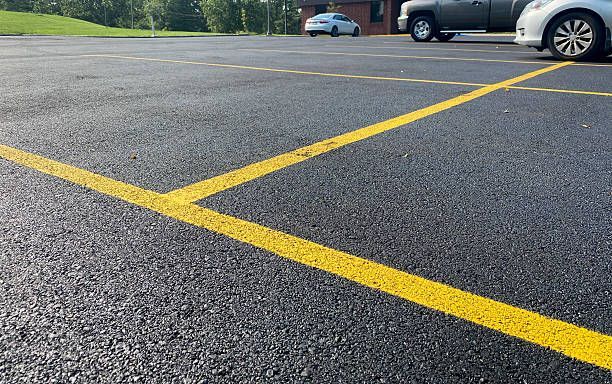
Parking lot striping plays an important role in traffic organization and safety. Over time, vehicle movement and weather exposure can cause striping to fade.
Summer maintenance should include checking the visibility of pavement markings. Repainting faded striping improves traffic flow and enhances safety for drivers and pedestrians.
Assess High Traffic Wear Areas
Areas with constant vehicle movement often experience faster wear than other sections of pavement. Entrance points, turning zones, and loading areas are especially vulnerable.
Summer inspections should focus on identifying these high traffic zones and evaluating whether they require patching or surface treatment.
Fall Asphalt Maintenance Checklist
Fall maintenance prepares asphalt surfaces for colder temperatures and potential winter stress. This season is ideal for sealing cracks and improving drainage conditions before freezing weather arrives.
Seal Cracks Before Winter Freezing
Sealing cracks before winter is one of the most important preventive measures. If cracks remain open during cold weather, moisture can enter the pavement and expand during freeze cycles.
Sealing these cracks prevents water infiltration and protects the pavement structure.
Confirm Proper Drainage Flow
Drainage systems should be checked to ensure water flows away from the pavement effectively. Standing water increases the likelihood of surface damage and structural weakening.
Fall inspections should include evaluating drainage channels, slopes, and nearby landscaping that could affect water movement.
Remove Leaves and Organic Debris
Falling leaves and organic material can accumulate on asphalt surfaces and trap moisture. Over time, this buildup may lead to surface staining and deterioration.
Regular cleaning prevents moisture retention and helps maintain a clean pavement surface.
Prepare Surfaces for Cold Weather Stress
Fall is also a good time to review overall pavement condition and schedule any remaining repairs. Addressing minor issues before winter reduces the risk of severe damage during freeze cycles.
Winter Asphalt Monitoring Checklist
Although extensive maintenance work is less common during winter, monitoring pavement condition remains important.
Winter inspections help property owners identify damage early and plan repairs for spring.
Watch for Snow and Ice Damage
Snow accumulation and ice formation can create stress on asphalt surfaces. Repeated freezing and thawing may cause cracks to expand or potholes to form.
Monitoring pavement conditions during winter allows property owners to detect these issues quickly.
Avoid Harmful Deicing Chemicals
Certain deicing chemicals may weaken asphalt surfaces or accelerate deterioration. Choosing pavement friendly deicing products helps minimize damage during winter months.
Using appropriate snow removal techniques also reduces the risk of surface scraping.
Inspect After Freeze Thaw Cycles
Freeze thaw cycles place significant stress on pavement structures. After these cycles occur, inspecting the surface helps identify cracks or surface displacement that may have developed.
Early detection allows property owners to schedule repairs before the next season begins.
Schedule Early Spring Repairs
If winter monitoring reveals pavement damage, scheduling repairs for early spring ensures that issues are addressed before they worsen.
Planning repairs early also helps prevent further deterioration when warmer temperatures arrive.
When to Call a Professional for Seasonal Asphalt Maintenance in NC
While basic maintenance tasks can be performed regularly, certain situations require professional expertise. Skilled technicians have the equipment and experience needed to evaluate pavement condition and perform specialized repairs.
Warning Signs That Require Expert Attention
Some pavement issues should never be ignored. Deep cracks, widespread potholes, standing water, and significant surface fading are signs that professional intervention is needed.
Ignoring these problems can lead to structural damage that requires major resurfacing or reconstruction.
Benefits of Professional Inspections
Professional pavement inspections provide a detailed assessment of asphalt condition. Technicians evaluate surface wear, structural stability, and drainage performance.
These inspections often include recommendations for repairs, sealcoating, and long term maintenance strategies.
Creating a Year Round Maintenance Plan
A structured maintenance plan ensures that inspections and repairs occur at the appropriate times throughout the year. This approach simplifies pavement care and helps property owners maintain safe and durable surfaces.
Property owners who want expert guidance can easily contact a professional asphalt contractor to discuss inspection and maintenance options.
Tier One Asphalt offers services designed to help property owners maintain asphalt surfaces through structured seasonal care.
Conclusion: Stay Ahead With a Seasonal Asphalt Maintenance Plan in Raleigh, NC
Seasonal asphalt maintenance is one of the most effective strategies for preserving pavement performance and longevity. Each season presents unique environmental challenges that can affect asphalt surfaces in different ways.
By following a structured maintenance checklist throughout the year, property owners can identify early warning signs and schedule preventive services before damage spreads. Routine inspections, crack sealing, sealcoating, and drainage management all contribute to maintaining safe and durable pavement surfaces.
Proactive maintenance not only protects the appearance of asphalt but also reduces the likelihood of costly repairs. When pavement receives consistent care, it remains functional, visually appealing, and structurally sound for many years.
Tier One Asphalt supports property owners with professional services designed to maintain pavement condition and extend surface lifespan through effective seasonal maintenance.
FAQs
1. Why is seasonal asphalt maintenance important?
Seasonal maintenance helps detect pavement damage early and prevents minor issues from becoming major repairs. Each season introduces different environmental stresses that affect asphalt surfaces.
2. How often should asphalt surfaces be inspected?
Asphalt surfaces should ideally be inspected at least twice per year. Many property owners perform inspections during spring and fall to detect seasonal damage.
3. When is the best time to apply sealcoating?
Sealcoating is usually performed during warmer months when temperatures allow the material to cure properly. Late spring and summer are common times for this service.
4. What causes potholes in asphalt pavement?
Potholes typically form when water enters cracks in the pavement and weakens the base layer. Traffic pressure then causes the damaged area to collapse.
5. Can regular maintenance extend asphalt lifespan?
Yes. Routine maintenance such as crack sealing, sealcoating, and inspections can significantly extend pavement life by protecting it from moisture, sunlight, and structural stress.
You might also like