What to Expect from Asphalt Paving in Raleigh NC: A Complete Guide
Introduction to Asphalt Paving in Raleigh NC
Asphalt paving plays an important role in residential properties, especially when it comes to creating functional and durable driveways. In areas like Raleigh, homeowners often look for paving solutions that are reliable and suited to long term use.
Understanding how asphalt paving works helps in making informed decisions before starting a project. It allows homeowners to plan better, evaluate options, and ensure that the result meets both practical and structural expectations.
If you are exploring professional services, you can review options for asphalt paving raleigh nc to understand how projects are typically structured and delivered.
What Is Asphalt Paving?
Before starting any paving project, it is important to understand what asphalt paving actually involves and why it is commonly used for residential surfaces. This helps in setting clear expectations regarding performance and usability.
Basic Definition and Purpose
Asphalt paving refers to the process of applying a mixture of aggregates and bitumen to create a smooth and durable surface. It is commonly used for driveways, private roads, and other residential surfaces.
The purpose of asphalt paving is to provide a stable and even surface that can handle regular use while maintaining its structure over time. It is designed to balance durability with flexibility, which helps reduce surface damage under changing conditions.
Why Asphalt Is Commonly Used in Raleigh
The use of asphalt in Raleigh is influenced by its adaptability and consistent performance. Homeowners prefer materials that can withstand varying conditions while maintaining surface integrity.
Asphalt is widely used in Raleigh due to its adaptability and performance. It can handle varying weather conditions and provides a consistent surface for residential use.
Another reason for its popularity is its ease of maintenance. When properly installed and maintained, asphalt surfaces can remain functional for extended periods without requiring complex repairs.
Step-by-Step Asphalt Paving Process
A clear understanding of the paving process helps set realistic expectations. Each step plays a role in ensuring that the surface remains stable and performs as intended.
Proper execution at every stage ensures that the finished surface meets structural requirements and maintains its condition over time.
Site Preparation and Groundwork
The first step involves clearing the area and preparing the ground. This includes removing debris, leveling the surface, and ensuring proper grading.
A stable base is essential because it supports the entire structure. Poor preparation at this stage can lead to uneven surfaces or early damage.
Base Layer Installation
Once the site is prepared, the next step focuses on building a strong foundation that supports the asphalt layer. This is critical for long term durability.
After preparation, an aggregate base layer is installed. This layer provides structural support and helps distribute weight evenly across the surface.
The quality of the base directly impacts the durability of the asphalt. A well installed base reduces the chances of cracks and surface deformation.
Asphalt Application
With the base in place, the asphalt mixture is applied carefully to ensure consistency and proper coverage across the area.
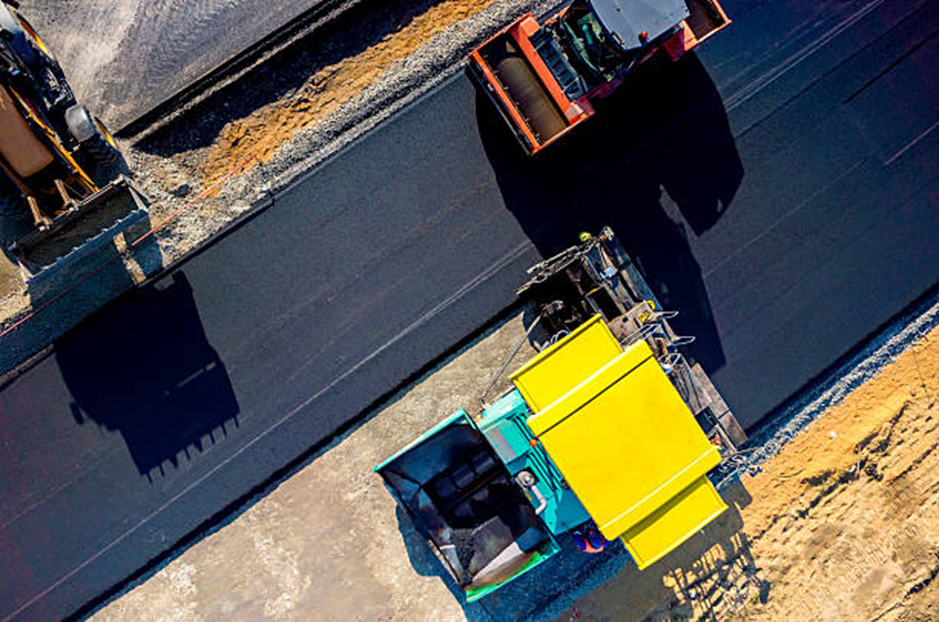
The asphalt mixture is then applied over the prepared base. It is spread evenly using specialized equipment to ensure uniform thickness.
This stage requires precision because uneven application can affect both the appearance and performance of the surface.
Compaction and Finishing
The final stages focus on strengthening and refining the surface to ensure it is ready for use and meets quality standards.
Once the asphalt is laid, it is compacted to create a smooth and dense surface. Compaction removes air pockets and strengthens the structure.
The finishing process ensures that the surface is level and ready for use. A final inspection is usually conducted to confirm that the paving meets the required standards.
How to Choose the Right Paving Companies in Raleigh NC
Choosing the right paving company is an important part of the process, as it directly affects the outcome of the project. Careful evaluation helps ensure that the work is completed efficiently and meets expectations.
Experience and Local Knowledge
Working with contractors who understand local conditions can make a difference. Experience in Raleigh helps ensure that the paving approach matches the area’s requirements.
Equipment and Work Approach
The type of equipment and methods used can influence the quality of the result. Modern approaches often lead to more consistent outcomes.
Modern equipment and proper techniques contribute to better results. Contractors who use updated methods are more likely to deliver consistent surfaces.
Project Planning and Communication
Proper planning ensures that all aspects of the project are handled smoothly from start to finish. Clear communication helps avoid misunderstandings.
Clear communication is essential for a smooth project. This includes setting timelines, discussing requirements, and ensuring that all details are understood before work begins.
Factors That Affect Asphalt Paving Cost in Raleigh
Understanding cost factors helps homeowners prepare better and avoid unexpected expenses during the project. It also allows for more accurate budgeting.
Size and Area of the Project
Larger areas generally require more materials and labour, which increases overall cost.
Material and Design Requirements
The type of materials used, and any specific design preferences can influence pricing.
Site Conditions and Preparation Needs
If the site requires extensive preparation, such as grading or removal of existing surfaces, costs may increase.
Customization and Finishing Options
Additional features or finishing details can also affect the final price of the project.
Common Mistakes to Avoid During Asphalt Paving
Being aware of common mistakes can help prevent issues that may affect the durability and performance of the paved surface. Proper planning and execution reduce risks.
Skipping Proper Base Preparation
A weak or poorly prepared base can lead to structural issues. Proper groundwork is essential for long term stability.
Ignoring Drainage Considerations
Water management plays a key role in maintaining asphalt surfaces. Without proper drainage, water can weaken the structure.
Choosing Based on Price Alone
Focusing only on cost may lead to compromises in quality. It is important to balance affordability with reliable workmanship.
How to Maintain Asphalt After Installation
Maintenance plays a key role in preserving the condition and functionality of asphalt surfaces. Regular care ensures long term performance.
Regular Cleaning and Inspection
Routine cleaning prevents debris buildup, while regular inspections help identify minor issues before they develop further.
Sealcoating and Preventive Care
Sealcoating provides a protective layer that helps reduce wear and exposure to external elements. It is a common preventive step for maintaining asphalt.
Addressing Minor Issues Early
Small cracks or surface issues should be addressed early. Timely repairs help prevent larger problems and maintain the surface quality.
When Should You Consider Asphalt Paving?
Identifying the right time for asphalt paving ensures that surfaces remain functional and safe for use. Delaying necessary work may lead to further deterioration.
Signs that indicate the need for paving include uneven surfaces, visible damage, or areas that no longer perform as expected.
In some cases, new installation may be required when the existing surface cannot be repaired effectively.
For situations involving damage or surface issues, you can explore options for asphalt repair near me to understand available solutions.
Conclusion
Asphalt paving provides a structured approach to creating durable and functional surfaces for residential properties. From initial preparation to final finishing, each step contributes to the overall performance of the paved area.
Understanding the process, selecting the right contractor, and maintaining the surface properly are all important factors in achieving reliable results.
If you are planning a paving project or need further guidance, you can directly contact to discuss your requirements. Tier One Asphalt focuses on delivering solutions that align with project needs while maintaining consistency in execution.
FAQs
What is asphalt paving used for in residential areas?
Asphalt paving is commonly used for driveways and private surfaces to create a smooth and durable finish.
How long does asphalt pave last?
The lifespan depends on installation quality and maintenance, but it can last for many years when properly cared for.
What factors affect the cost of asphalt paving?
Cost is influenced by project size, materials, site preparation, and customization requirements.
How soon can a paved surface be used?
The surface can usually be used after it has set properly, depending on project conditions and weather.
Is maintenance required after asphalt paving?
Yes, regular cleaning, inspections, and sealcoating help maintain the surface and extend its lifespan.
You might also like