Signs Your Asphalt Needs Crack Filling Before It Gets Worse
Small cracks in an asphalt driveway or paved surface can be easy to overlook. They may initially appear to be little more than surface imperfections, but cracks can allow moisture to reach deeper pavement layers. Exposure to water, sunlight, weather, chemicals, and regular wear can contribute to asphalt deterioration over time.
Crack filling is one of the maintenance methods used to address existing asphalt cracks before they contribute to more extensive pavement problems. Recognizing the early signs of asphalt damage can help homeowners determine when an inspection or repair may be appropriate.
If you notice visible cracking or other pavement deterioration, asphalt repair can be considered as part of a broader pavement maintenance approach.
Why Asphalt Cracks Should Be Addressed Early
Asphalt is made from aggregates held together by a binder. Over time, exposure to sunlight, chemicals, moisture, traffic, and normal wear can contribute to deterioration of the pavement and its binder. Cracking can be one of the visible signs that the surface is beginning to deteriorate.
Addressing cracks while they are still manageable can help limit moisture exposure and support a more proactive approach to pavement maintenance.
How Water Can Enter Through Asphalt Cracks
A crack creates an opening in the pavement surface. When rain or other moisture reaches the crack, water can move into areas below the surface. Continued moisture exposure can contribute to deterioration of the pavement structure.
This is one reason crack maintenance is important. The objective is not simply to improve the appearance of the asphalt, but also to reduce opportunities for water to enter through existing cracks.
How Small Cracks Can Become Larger Problems
Asphalt cracks can change over time as the pavement continues to experience weather and everyday use. Temperature changes, moisture, and continued surface deterioration can cause existing cracks to widen or develop into more extensive patterns.
Early attention can help homeowners identify whether a crack is suitable for crack filling or whether the pavement requires a different type of repair.
7 Signs Your Asphalt May Need Crack Filling
Not every crack requires the same repair method. However, certain visible conditions indicate that the pavement should be inspected rather than ignored.
Visible Hairline and Narrow Cracks
Thin cracks can be among the earliest visible signs of asphalt deterioration. They may appear as narrow lines across the driveway or paved surface.
Homeowners should monitor these cracks, particularly when they begin appearing in several areas or become more noticeable over time. Early identification gives a professional an opportunity to determine whether crack filling is appropriate.
Cracks That Are Becoming Wider
A crack that gradually becomes wider can indicate that pavement deterioration is progressing. Wider openings can also provide more opportunity for water to reach deeper areas.
Instead of focusing only on the current appearance of the crack, consider whether its size and pattern have changed since it was first noticed.
Multiple Cracks Across the Surface
Several cracks distributed across an asphalt surface may indicate broader pavement wear rather than an isolated defect.
When cracking becomes widespread, an assessment can help determine whether crack filling is sufficient or whether additional maintenance is needed.
Cracks Along Driveway Edges
Edges can experience additional exposure because they are less supported than the central portions of a paved surface. Cracks along driveway edges should therefore be monitored for changes in width, depth, or surrounding deterioration.
Edge cracking can also occur alongside crumbling or weakened pavement, which may require more than crack filling.
Cracks With Vegetation Growth
Vegetation growing through an asphalt crack indicates that the opening has persisted long enough for plant growth to occur. This can make the crack more difficult to maintain and may indicate that moisture and debris are accumulating within it.
Visible vegetation is a reason to have the area evaluated instead of simply covering the surface without addressing the underlying condition.
Water Pooling Near Cracked Areas
Standing water near cracks can point to drainage or surface slope concerns. Water that remains around damaged pavement can increase moisture exposure.
If cracking and water accumulation occur together, both conditions should be considered when determining the appropriate maintenance approach.
Fading and Surface Deterioration Alongside Cracks
Fading asphalt can be associated with oxidation and prolonged exposure to sunlight and weather. When surface fading occurs alongside cracking, it may indicate that the pavement is experiencing broader deterioration.
Tier One's website explains that sunlight, oxidation, petroleum-related chemicals, salt, traffic, and normal wear can contribute to asphalt deterioration.
What Is Asphalt Crack Filling?
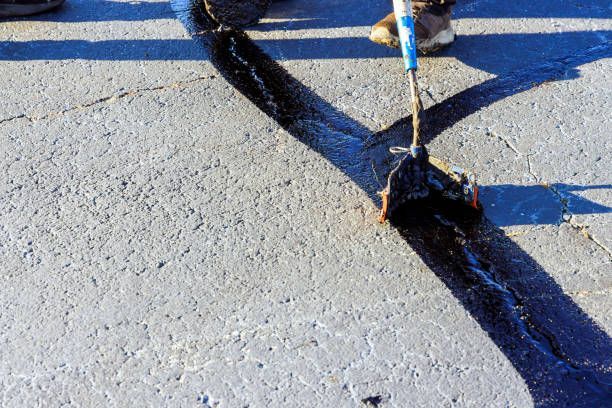
Crack filling is an asphalt maintenance method used to address cracks in pavement. The purpose is to fill the opening and help limit water from entering through the damaged area.
It is generally considered part of a preventive maintenance strategy, but the appropriate repair depends on the type and severity of the pavement damage.
How Crack Filling Works
The basic process involves preparing the crack and applying an appropriate crack-filling material. The material fills the opening and creates a barrier that can help reduce moisture penetration.
Proper preparation is important because the condition of the crack can affect how effectively the material performs. A professional assessment can help determine the appropriate repair approach.
Crack Filling vs. Larger Asphalt Repairs
Crack filling is not designed to correct every type of asphalt damage. Potholes, significant surface deterioration, and deeper pavement problems may require other repair methods.
According to the Tier One website, asphalt repair options can include crack filling, skin patching, partial-depth patching, and full-depth patching, depending on the condition of the pavement.
This makes an assessment important. A visible crack may be suitable for crack filling, but more extensive deterioration can require a different solution.
When Is the Right Time for Asphalt Crack Repair?
Timing can affect asphalt maintenance. Waiting until cracks become significantly larger may allow additional deterioration to occur.
The right timing depends on the condition of the pavement, the type of cracking, weather conditions, and the repair method required.
Seasonal and Weather Considerations
Weather can influence asphalt maintenance work. Temperature and moisture conditions can affect preparation, application, and curing.
For this reason, homeowners should discuss suitable timing with an asphalt professional rather than assuming that every repair can be completed under identical conditions.
Why Waiting Too Long Can Increase Repair Needs
Untreated cracks can remain exposed to moisture and weather. As deterioration continues, a repair that might initially have involved crack filling could eventually require more extensive pavement work.
Regular inspection and timely maintenance can help identify changes before they become more difficult to address.
Other Asphalt Damage Homeowners Should Watch For
Cracks are not the only signs that an asphalt surface may need attention. Homeowners should also watch for other visible pavement problems.
Potholes
Potholes are areas where pavement has broken away, leaving a depression in the surface. They can develop as asphalt deteriorates and moisture contributes to pavement damage.
Alligator Cracking
Alligator cracking consists of interconnected cracks that create a pattern resembling reptile scales. This type of cracking can indicate more substantial pavement deterioration and should be professionally evaluated.
Crumbling Edges
Crumbling or breaking pavement along the edges can indicate weakened asphalt. Edge deterioration may require a repair approach beyond simple crack filling.
Drainage and Standing Water
Water that consistently remains on or around pavement can contribute to ongoing deterioration. Drainage should be considered whenever standing water and asphalt damage appear together.
How Regular Asphalt Maintenance Helps Protect Your Driveway
A maintenance plan can help homeowners monitor asphalt condition and address problems as they develop. Tier One Asphalt provides asphalt repair, sealcoating, and other pavement services for residential and commercial properties in the Raleigh area.
Crack Filling
Addressing suitable cracks can help limit moisture entry and maintain the condition of the pavement.
Sealcoating
Sealcoating provides a protective layer over asphalt and is described by Tier One as a preventative maintenance measure that helps protect pavement from sunlight, water, chemicals, and normal wear.
Drainage Maintenance
Keeping drainage concerns under control can help reduce prolonged water exposure. Drainage problems should be evaluated rather than expecting crack filling or sealcoating to correct them.
Regular Surface Inspections
Periodic visual inspections can help homeowners identify new cracks, widening cracks, potholes, fading, edge deterioration, and other changes.
Homeowners planning broader pavement work can also explore asphalt paving raleigh nc to learn more about available asphalt paving options.
When Should You Contact an Asphalt Repair Professional?
Professional evaluation can be useful when cracks are widening, appearing across multiple areas, accompanied by potholes, or occurring alongside standing water.
A professional can assess the pavement and determine whether crack filling is appropriate or whether another repair method is necessary.
Questions to Ask During an Asphalt Assessment
Homeowners can ask:
- What type of cracking is present?
- Is crack filling appropriate for these cracks?
- Are there signs of deeper pavement damage?
- Are drainage conditions contributing to the problem?
- Is sealcoating appropriate after the necessary repairs?
- What maintenance should be considered after the repair?
These questions can help clarify the condition of the pavement and the recommended maintenance approach.
When Crack Filling May Not Be Enough
Crack filling may not be appropriate for every damaged surface. Significant potholes, extensive alligator cracking, weakened pavement edges, or deeper structural deterioration may require other repair methods.
An asphalt professional can evaluate the condition and explain whether crack filling, patching, or another form of repair is more suitable.
Conclusion: Address Asphalt Cracks Before They Become Bigger Problems
Small asphalt cracks can be easy to overlook, but they can provide an opening for moisture and may become more extensive as pavement deterioration continues. Watching for widening cracks, widespread cracking, vegetation, standing water, fading, potholes, and crumbling edges can help homeowners identify when an asphalt surface needs attention.
Crack filling can be an important part of preventive maintenance when the pavement condition is appropriate for this type of repair. However, not every crack or pavement defect should be treated the same way. A professional assessment can help determine whether crack filling, patching, sealcoating, or another repair approach is suitable.
For homeowners who want to discuss the condition of their asphalt or request an assessment, visit the contact page to connect with the paving company.
FAQs About Asphalt Crack Filling
What is the purpose of asphalt crack filler?
Asphalt crack filler is used to fill suitable cracks in pavement and help reduce the amount of moisture that can enter through those openings. It is one method used as part of asphalt maintenance.
How do I know if an asphalt crack needs repair?
Cracks that are widening, spreading across the surface, accompanied by vegetation or water accumulation, or appearing alongside other pavement deterioration should be evaluated by an asphalt professional.
Can crack filling prevent further asphalt damage?
Crack filling can help limit moisture entry through suitable pavement cracks, which can support preventive maintenance. However, it cannot correct every type of asphalt deterioration, so the pavement should be evaluated based on its overall condition.
How often should asphalt cracks be inspected?
There is no single inspection interval that applies to every driveway. Homeowners should monitor pavement regularly and pay particular attention after periods of significant weather exposure or when visible cracks begin changing.
Can all asphalt cracks be repaired with crack filler?
No. The appropriate repair depends on the type, size, location, and severity of the damage. More extensive deterioration may require patching or another asphalt repair method rather than crack filling alone.
You might also like