When to Repair vs Replace Asphalt: A Complete Guide
Asphalt pavement is designed to withstand vehicle traffic, changing weather, moisture, and everyday use, but it does not remain in the same condition indefinitely. Cracks, potholes, uneven surfaces, and other signs of deterioration can eventually appear. When that happens, property owners often face an important question: should the pavement be repaired, resurfaced, milled, or completely replaced?
Choosing the right solution requires more than looking at the surface. The visible condition of asphalt can provide useful information, but the underlying pavement structure, drainage, base condition, extent of damage, and maintenance history also matter. A targeted repair may be appropriate for localized problems, while widespread or structural deterioration may require a more extensive solution.
Understanding the differences between asphalt repair, resurfacing, milling, and replacement can help property owners make a more informed decision and avoid spending money on a treatment that does not address the actual pavement problem.
For property owners researching professional asphalt repair, understanding the condition of the pavement is an important first step before deciding which service is appropriate.
Why Choosing the Right Asphalt Solution Matters
Asphalt maintenance is not a one-size-fits-all process. Two pavements may have similar surface cracks but require completely different treatments because their underlying conditions are different. Selecting the wrong service can result in repeated repairs, unnecessary expenses, or premature pavement deterioration.
The condition of the base is especially important. Asphalt pavement relies on properly prepared underlying layers for stability and performance. If the foundation is compromised, simply treating the surface may not provide a lasting solution.
Project goals also matter. A property owner may want to extend the useful life of an existing pavement, improve its appearance, correct recurring damage, or completely reconstruct a severely deteriorated surface. A professional pavement assessment can help identify the most appropriate approach.
When Is Asphalt Repair the Better Option?
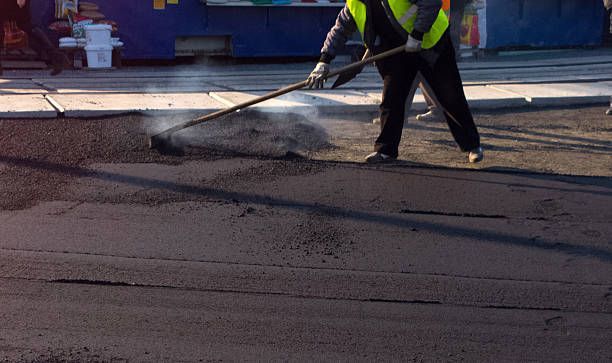
Asphalt repair is generally appropriate when damage is limited to specific areas and the surrounding pavement remains in reasonably good condition. Repairs can address localized problems without requiring the removal and reconstruction of an entire paved area.
Common repair services may include crack filling, pothole repair, patching, and treatment of localized pavement failures. The appropriate repair depends on the type, depth, and extent of the damage.
Minor Cracks and Surface Damage
Minor cracks can develop as asphalt ages and experiences repeated exposure to weather and traffic. Addressing these issues early can help prevent water from entering the pavement and contributing to additional deterioration.
Not all cracks indicate structural failure. The width, pattern, location, and progression of cracking should be considered when determining the appropriate treatment. Simple cracks may be manageable through targeted maintenance, while interconnected or extensive cracking can indicate deeper problems.
Localized Potholes and Failed Areas
Potholes generally require more than simply covering the visible opening. A proper repair should address the damaged pavement and the conditions contributing to the failure.
Localized potholes or failed sections can sometimes be repaired while the surrounding pavement remains intact. The appropriate patching method depends on the size and depth of the damaged area and the condition of the surrounding pavement.
Limited Areas of Pavement Failure
When deterioration is concentrated in specific sections, targeted repairs may help preserve the usable portions of the pavement. This approach can be practical when the overall pavement structure remains stable.
However, repeated failures in the same areas may indicate that the problem extends beyond the surface. In that situation, continued patching may provide only temporary results, making a broader pavement evaluation worthwhile.
When Should You Consider Asphalt Resurfacing?
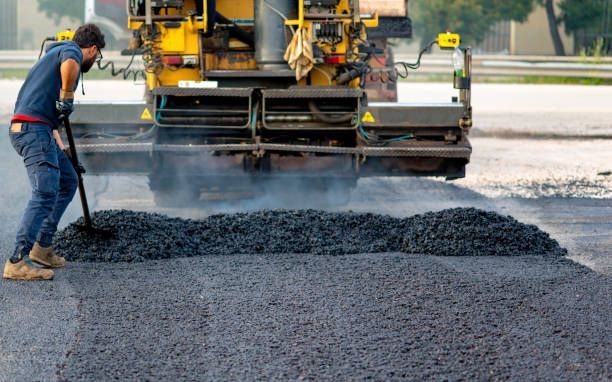
Asphalt resurfacing can be considered when the existing pavement has surface deterioration but the underlying structure remains sufficiently stable. Resurfacing involves placing a new asphalt layer over an existing pavement after appropriate preparation.
This approach can improve the surface, address certain types of deterioration, and restore a smoother appearance without requiring complete reconstruction. However, resurfacing is not appropriate for every damaged pavement.
Before resurfacing, existing problems should be evaluated and addressed as necessary. Significant structural damage, poor drainage, or an unstable base can limit the effectiveness of placing a new asphalt layer over the existing pavement.
What Is Asphalt Milling and When Is It Needed?
Asphalt milling involves mechanically removing a selected portion of the existing asphalt surface. Milling can remove deteriorated material, correct surface irregularities, and prepare the pavement for a new asphalt layer.
The depth and extent of milling depend on the pavement's condition and the goals of the project. Milling can be particularly useful when the existing surface needs to be removed or adjusted before resurfacing.
It is important to understand that milling is not automatically the same as resurfacing. Milling describes the removal process, while resurfacing involves installing a new asphalt surface. In many projects, the two can be used together as part of a broader pavement rehabilitation strategy.
Asphalt Milling vs. Resurfacing: What's the Difference?
The terms asphalt milling and resurfacing are sometimes used together, but they describe different parts of a pavement project.
Milling removes a portion of the existing asphalt. It can help eliminate deteriorated material or adjust the existing surface before additional asphalt is installed. Resurfacing adds a new asphalt layer over a properly prepared existing pavement.
The decision to use one or both methods depends on pavement condition. A contractor should assess the existing asphalt, determine whether the base remains stable, and identify whether surface removal or preparation is necessary.
The goal is not simply to install a new layer. The goal is to create a pavement solution that addresses existing problems and provides an appropriate foundation for continued service.
When Is Full Asphalt Replacement Necessary?
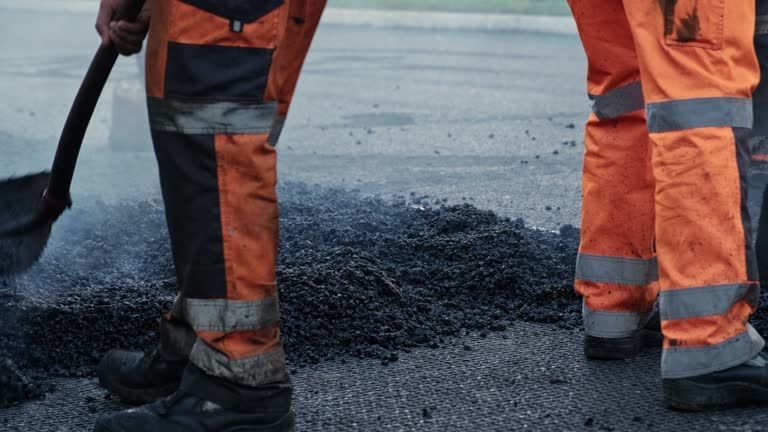
Full asphalt replacement may become necessary when deterioration is widespread or extends into the underlying pavement structure. Replacement involves removing the existing pavement and rebuilding the necessary layers rather than simply treating the surface.
Several conditions can indicate that replacement should be considered:
- Extensive structural deterioration
- Widespread alligator cracking
- Major drainage or base problems
- Repeated pavement failures despite previous repairs
- Significant deterioration throughout the paved area
Alligator cracking is particularly important because interconnected cracks can indicate that the pavement is experiencing structural distress. Likewise, persistent drainage problems can continue damaging new or repaired pavement if the underlying water management issue is not addressed.
Repair vs. Resurfacing vs. Replacement: Cost Considerations
Cost is an important part of the decision, but the cheapest initial option is not always the most economical long-term choice. Project costs can vary significantly depending on the pavement area, existing condition, preparation requirements, material quantities, drainage concerns, and project complexity.
A small repair may have a lower initial cost than resurfacing or replacement, but repeated repairs can accumulate over time if the underlying issue remains unresolved. Conversely, replacing pavement that could have been effectively maintained or resurfaced may result in unnecessary expenditure.
A useful cost comparison should therefore consider both immediate project costs and expected maintenance requirements. Property owners should compare what each proposed solution actually includes rather than comparing only the final price.
If you need help evaluating an existing pavement problem, learn more about asphalt repair services in Raleigh.
Signs Your Asphalt May Need More Than a Simple Repair
Some pavement problems suggest that a localized repair may not be enough. Recognizing these signs can help property owners seek an assessment before deterioration becomes more extensive.
Watch for widespread interconnected cracking, multiple potholes, uneven pavement, drainage problems, repeated repair areas, extensive edge deterioration, and significant surface deterioration.
The pattern of damage is often as important as the individual defect. A single pothole in otherwise sound pavement is different from numerous potholes across an aging surface. Similarly, isolated cracks differ from widespread cracking throughout the pavement.
Recurring problems are another important warning sign. If the same areas repeatedly fail after repair, there may be an underlying structural, drainage, or base problem that requires a different solution.
How Professionals Evaluate Asphalt Condition
A proper assessment considers several aspects of the pavement rather than focusing only on visible defects. This helps determine whether repair, resurfacing, milling, or replacement is appropriate.
Surface Condition
The surface should be evaluated for cracks, potholes, raveling, uneven areas, fading, and other visible deterioration. The severity and distribution of these problems help indicate the condition of the pavement.
Structural Condition
Structural evaluation focuses on whether deterioration extends below the surface. Extensive cracking, depressions, repeated failures, and unstable areas can indicate problems with the pavement structure.
A new surface may not solve these issues if the underlying layers are already compromised.
Drainage and Water Management
Water is an important consideration in pavement performance. Standing water, inadequate drainage, and water entering pavement cracks can contribute to deterioration.
Before major pavement work is completed, drainage conditions should be considered. Addressing water-related problems can help protect the pavement investment and reduce the risk of recurring deterioration.
Existing Repairs and Maintenance History
Previous repairs provide useful information about pavement performance. Areas that have required repeated patching may require closer evaluation.
Maintenance history can also help determine whether the pavement has received preventative treatments and whether those treatments have been effective. This information can contribute to selecting the most suitable next step.
How to Decide Between Asphalt Repair and Replacement
Property owners can use a simple decision-making framework when evaluating pavement options. First, determine whether the damage is localized or widespread. Localized damage with an otherwise stable pavement may be suitable for repair.
Next, consider the condition of the foundation. If the base and underlying pavement remain stable, resurfacing or milling followed by resurfacing may be possible depending on the surface condition.
If deterioration is widespread, structural, or associated with significant base or drainage problems, replacement may provide a more appropriate long-term solution.
Finally, compare the immediate cost with expected maintenance needs. A professional assessment can help identify whether a lower-cost repair is sufficient or whether a larger pavement investment is more appropriate.
For property owners researching asphalt paving raleigh nc, professional evaluation can help determine whether a project requires repair, resurfacing, or more comprehensive pavement work.
Conclusion
Knowing when to repair, resurface, mill, or replace asphalt can help property owners make better pavement investment decisions. Localized cracks, potholes, and limited failures may often be addressed through targeted repairs, while suitable but weathered pavement may benefit from resurfacing.
Milling can be used to remove portions of an existing asphalt surface and prepare it for additional pavement work. Full replacement may be necessary when deterioration is widespread, structural, or associated with significant base and drainage problems.
The most important factor is the actual condition of the pavement. Surface appearance alone does not always reveal what is happening underneath. Evaluating cracking patterns, potholes, drainage, previous repairs, and structural stability provides a more complete basis for choosing the right treatment.
Rather than automatically selecting the least expensive option, property owners should consider the scope of work, preparation requirements, expected maintenance, and long-term pavement performance. A professional assessment can help determine whether repair, milling and resurfacing, or replacement provides the most appropriate solution.
If you are planning an asphalt project and need professional guidance, contact a paving contractor to discuss your pavement condition and available options.
Is it cheaper to repair or replace asphalt?
Repair is generally less expensive when the damage is limited and the underlying pavement remains sound. However, repeated repairs can become costly when deterioration is widespread or structural. The most economical solution depends on pavement condition, repair frequency, project scope, and long-term maintenance requirements.
What is asphalt milling used for?
Asphalt milling removes a selected portion of an existing asphalt surface. It can be used to remove deteriorated material, correct surface irregularities, or prepare pavement for resurfacing. The appropriate milling depth depends on the existing pavement and project requirements.
Is asphalt resurfacing better than replacement?
Resurfacing can be an effective option when the existing pavement has sufficient structural stability but the surface requires rehabilitation. Replacement is more appropriate when the pavement or underlying base has significant structural deterioration. A pavement assessment should be completed before choosing between the two.
How do I know if my asphalt has structural damage?
Signs can include widespread alligator cracking, recurring potholes, significant depressions, extensive uneven areas, and repeated failures despite repairs. These signs do not independently confirm structural damage, so a professional assessment is recommended when deterioration is extensive.
Can badly cracked asphalt be resurfaced?
It depends on the type, extent, and cause of the cracking. Severe interconnected cracking may indicate underlying structural problems that resurfacing alone will not correct. If the base remains stable and the damage is primarily superficial, resurfacing may be considered after appropriate preparation and repairs.
You might also like